
The Pros and Cons of Solar Energy
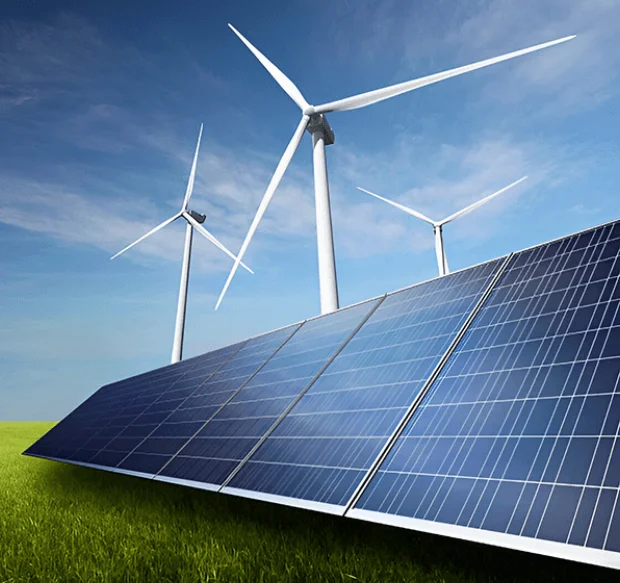
We’ve heard it all when it comes to solar energy pros and cons: it’s for hippies, it’s pricey, or it doesn’t work. More homes than ever are getting solar energy systems installed on them. Here, we address the primary query for homeowners, “Are solar panels worth it?” and provide some crucial information on the benefits and drawbacks of solar energy.
With the federal tax credit of 26 percent available to homes through the end of 2022, solar panels are more effective, economical, and ecologically benign than ever before. Going solar, however, may not be a wise investment for every homeowner, depending on factors including geography, roof orientation, and existing electricity demand.
Solar panels offer a good return on investment and environmental advantages in the majority of circumstances and regions in the US, making them worth the expense of installation and upkeep.
Pros of Solar Energy
Solar is a proven technology.
In the late 1800s, researchers started experimenting with photovoltaic (PV) solar electricity. In 1954, the first silicon photovoltaic (PV) cell that could transform solar energy into electrical energy was released, and by 1983, the total global PV production had surpassed 21 megawatts. It is safe to assume that solar is a tested technology and that its popularity as a source of clean energy will continue since there are currently 47.1 gigawatts of installed solar capacity across the United States.
Solar works in many climates.
Many individuals think that colder climates won’t support solar power. That is untrue. Because excessive heat can lower the voltage they produce, solar panels are more effective in colder climates. A solar system will produce more electricity if it receives more hours of direct sunlight, but current panels are highly efficient and can still produce energy in dimly lit environments.
Solar is more affordable than ever.
A solar power system is now much more affordable. Prices have decreased by about 22% since 2015, and they have continued to do so. Solar energy is more affordable than traditional energy in several areas throughout the world. More households can afford to go solar thanks to a range of financial advantages, including tax breaks and state regulations.
Solar energy benefits the whole electricity grid.
The conventional utility grid can use excess solar energy anywhere in the world, and depending on local regulations, the solar owner is frequently paid for that contribution, for instance, through feed-in tariffs in some international markets like Japan and parts of Europe. There are net metering laws in the majority of American states. Through the use of a credit against their use of electricity from the grid at night, net metering is a billing approach that effectively compensates solar users for their excess electricity.
Solar panels have a long lifespan.
Quite resilient, solar panels can resist even the worst weather, including hailstones up to an inch in diameter.
Cons of Solar Energy
Solar doesn’t work at night.
Some solar enthusiasts might ponder whether adopting solar will enable them to live entirely off the grid. In the majority of solar technology uses, this isn’t practical. Home battery storage solutions are provided by numerous solar companies, including SunPower, however, the majority of homes have only recently gained simple access to home batteries. The majority of solar energy is used immediately, and any extra is sent back to the traditional utility system or a battery. For power at night and in other instances when sunlight is scarce, solar homes must rely on utility systems or battery storage.
Solar panels aren’t attractive.
This was undoubtedly true of the outdated panels with large silver frames that protruded far from the roof. Today’s solar panels, however, are streamlined with far more basic designs that merge with different roof types, lie flush with roof surfaces, or even completely replace an existing root. Different color choices make it easier for homeowners to construct systems that complement the appearance of their houses while yet supplying the same powerful, clean energy.
The ability to design and install systems that aren’t even visible from the street may also be available to homes with substantial roof space or many portions of the roof that receive enough sunshine.
It’s crucial to keep in mind that familiarity strongly influences how we initially judge “attractiveness.” Although most people don’t consider garage doors to be attractive, we’re so accustomed to seeing them that we sometimes overlook them when observing the beauty of a home. With solar, the same thing is happening.

Pournima
A content writer at S'unlimited with expertise in solar energy education, producing guides and insights that simplify complex industry concepts for homeowners and businesses.