
How to Size a Rooftop Solar Power Plant Based on Your Electricity Usage
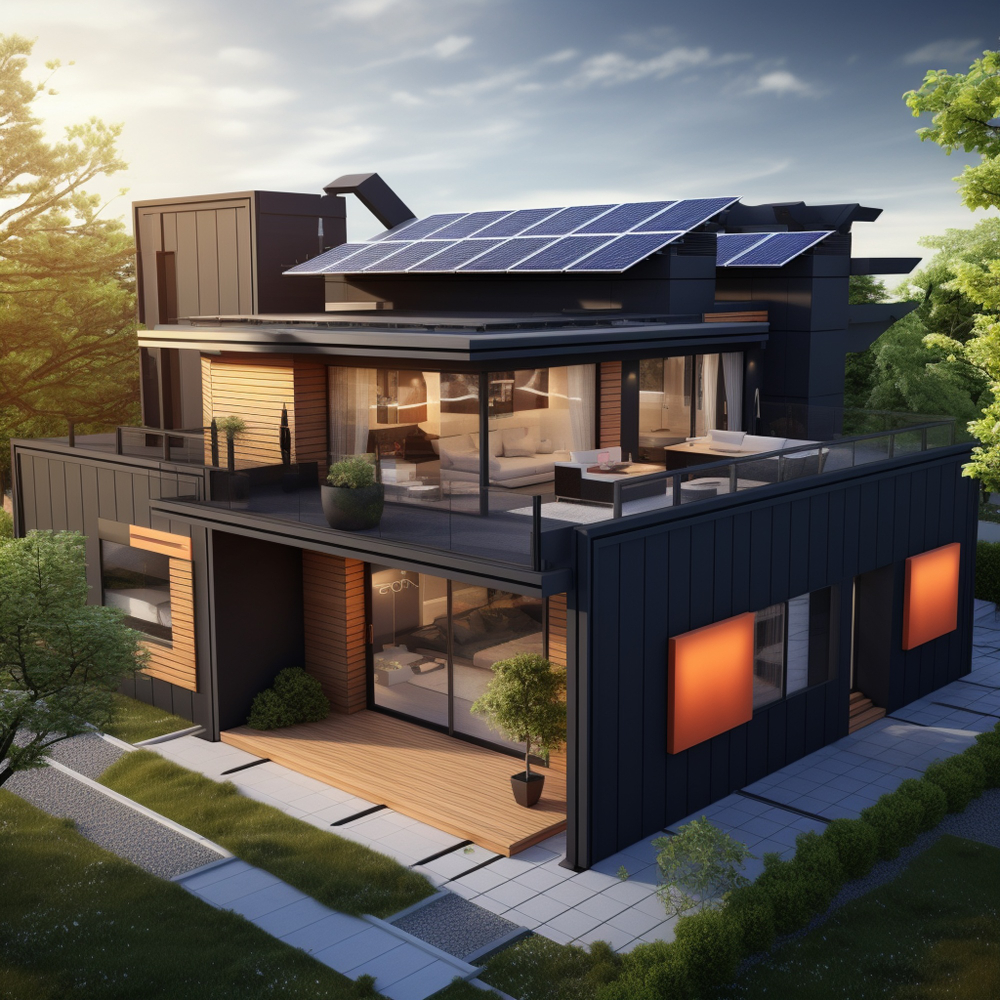
Rooftop Solar Power Plant Sizing Guide by S’unlimited Solar
Installing a rooftop solar power plant is one of the smartest long-term investments you can make to cut electricity bills and reduce dependence on the grid. But one common mistake people make is choosing the wrong system size. Too small, and your savings stay limited. Too large, and you end up overspending with slow returns.
Let’s break down how to size your rooftop solar system the right way, based on real usage, roof space, and practical goals.
1. Start With Your Electricity Bills (Not Guesswork)
Your last 6–12 months of electricity bills tell the real story. Look at your monthly units consumed (kWh) and note seasonal variations (summer AC usage, winter heaters, machinery load, etc.).
Quick thumb rule (India average):
1 kW solar ≈ 120–150 units/month
Example: If you use 300 units/month → you’ll need around a 2 to 2.5 kW rooftop solar power plant.
This is where a professional rooftop solar installation company can help you avoid under- or over-sizing.
2. Check Your Roof Space & Structure
Even if your electricity usage is high, your roof decides how much solar you can install.
Rough space required:
1 kW solar = 80–100 sq. ft. of shadow-free roof
Also consider:
- Roof direction (south-facing is best)
- Shadow from tanks, trees, nearby buildings
- Structural strength of the roof
A site survey by an experienced rooftop solar company in India helps assess feasibility before finalizing system size.
3. Define Your Goal: Bill Reduction or Maximum Savings?
Not everyone wants to eliminate their electricity bill completely.
Ask yourself:
- Do you want to offset 50–70% of your bill?
- Or aim for near-zero bills with net metering?
Your budget, future power needs (EV charging, new appliances), and expected tariff hikes should guide the system size. The best rooftop solar company in India will usually help you plan for future expansion as well.
4. Factor in Load Profile (Day vs Night Usage)
Solar works best when power is consumed during the day.
If most of your usage is daytime (offices, factories, shops), a larger rooftop solar power plant makes sense.
If most usage is at night, net metering becomes crucial to export daytime power to the grid and adjust bills later.
This planning is a core part of professional rooftop solar panel installation services.
5. Think About Inverters, Panels & System Design
System size isn’t just about kW numbers.
Good system design considers:
- Panel efficiency
- Inverter capacity
- Wiring losses
- Future scalability
This is where expert rooftop solar installation in India providers add real value, by designing systems that perform well in real-world conditions, not just on paper.
6. Subsidy, Net Metering & Approvals Matter
Your final system size may depend on:
- Local DISCOM rules
- Net metering limits
- Available government subsidy
A reliable rooftop solar installation company will guide you through approvals, documentation, and realistic timelines so you don’t face surprises after installation.
Final Tip: Don’t Size Only for Today
Electricity consumption usually increases over time.
If your budget and roof allow, slightly oversizing your rooftop solar power plant can give better long-term returns and future-proof your investment.
If you’re unsure, a professional site assessment helps match your usage, roof potential, and budget to the right system size without overpromising savings.

Pournima
A content writer at S'unlimited with expertise in solar energy education, producing guides and insights that simplify complex industry concepts for homeowners and businesses.