
Solar Panel Licensing in India: Complete Guide for 2026
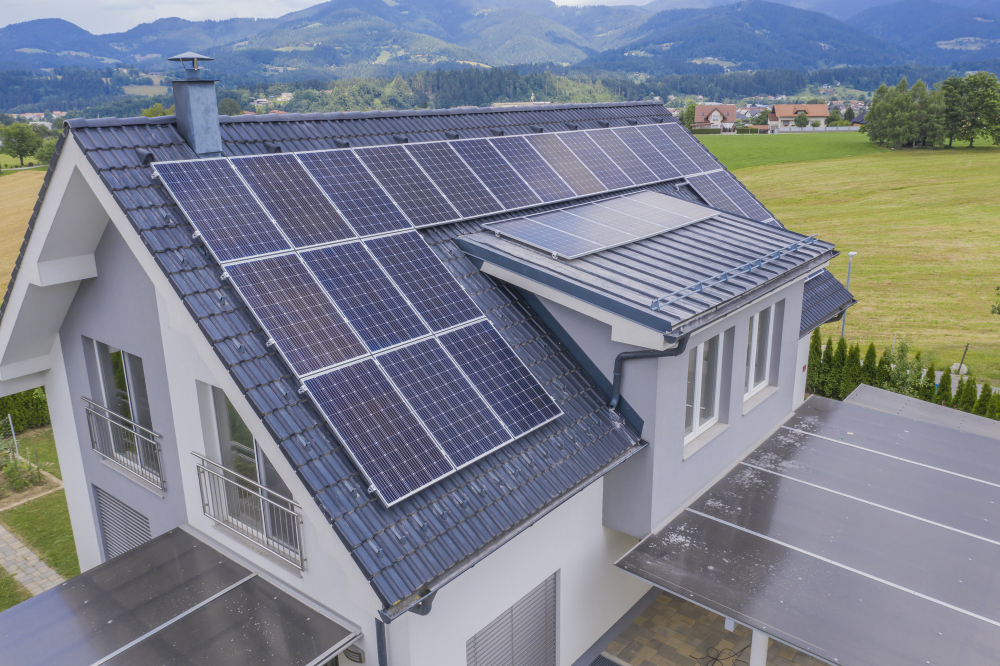
Solar Panel Licensing in India
India’s solar energy sector is growing rapidly as more homeowners, businesses, and industries invest in rooftop solar systems to reduce electricity costs and support clean energy adoption. Along with installation, one important aspect many property owners must understand is solar panel licensing and the approval process required for smooth solar project execution.
Whether you are planning a residential rooftop system or a large commercial solar project, proper licensing and government procedures help ensure safe installation, legal compliance, and eligibility for subsidy benefits.
In this blog, S’unlimited Solar explains the complete solar panel licensing process in India for 2026, including approvals, documentation, subsidy-related procedures, and important factors homeowners and businesses should know before installing solar systems.
What is Solar Panel Licensing?
Solar panel licensing refers to the approvals, permissions, technical compliance, and documentation required for installing a rooftop solar system legally and safely.
The process generally includes:
- Technical approvals
- Net metering applications
- Electricity board permissions
- Safety compliance checks
- Documentation verification
Licensing procedures may vary depending on:
- Residential or commercial project type
- State electricity regulations
- System capacity
- Utility provider requirements
Proper licensing helps avoid installation delays and operational issues later.
Why Solar Licensing is Important
Many people focus only on solar panel installation and overlook government procedures. However, proper licensing is essential because it helps:
- Ensure legal compliance
- Improve installation safety
- Support smooth net metering approval
- Avoid electricity connection issues
- Maintain long-term system reliability
Licensing is also important for accessing various government solar subsidy benefits available for eligible residential projects.
Solar Licensing Process in India
The licensing process usually follows several important steps.
1. Site Inspection & Feasibility Analysis
The first step involves evaluating:
- Rooftop structure
- Available installation area
- Electricity consumption
- Shadow-free space
- System capacity requirements
This helps determine whether the property is suitable for rooftop solar installation.
2. Solar System Design
Professional solar companies prepare:
- Panel layout designs
- Electrical drawings
- Structural plans
- Inverter specifications
Proper design planning improves energy efficiency and approval success.
3. Documentation Submission
Applicants usually need documents such as:
- Electricity bill
- Identity proof
- Property ownership documents
- System technical specifications
- Installation drawings
Commercial projects may require additional technical approvals depending on system size.
4. Net Metering Application
Net metering allows solar users to export excess electricity to the power grid.
The application process typically includes:
- Utility approval requests
- Technical inspections
- Meter replacement procedures
- Electrical safety verification
Net metering approval is one of the most important parts of solar panel licensing.
5. Installation & Safety Inspection
After approvals, the solar system is installed according to technical standards.
Authorities or utility providers may conduct inspections to verify:
- Electrical safety
- Proper wiring
- Structural stability
- Metering integration
- Compliance with approved specifications
Solar Licensing for Residential Projects
Residential rooftop systems generally have simpler approval procedures compared to industrial projects.
Homeowners installing rooftop solar systems can benefit from:
- Simplified subsidy procedures
- Residential net metering support
- Easier utility approvals
This has increased interest in the government solar scheme for home installations across India.
Solar Subsidy & Licensing Connection
Proper licensing is important for homeowners planning to apply for:
- central government solar subsidy
- solar subsidy in Maharashtra
- Maharashtra government solar subsidy
- rooftop solar subsidy in Maharashtra
Incomplete documentation or non-compliant installations can delay subsidy processing.
Professional solar companies help ensure:
- Proper paperwork
- Correct application procedures
- Technical compliance
- Smooth subsidy coordination
Documents Commonly Required for Solar Licensing
Although requirements may vary, common documents include:
- Aadhaar card
- PAN card
- Electricity bill
- Property ownership proof
- Bank account details
- Technical system details
- Installation diagrams
Commercial and industrial projects may require additional engineering approvals.
Common Challenges During Solar Licensing
Some common licensing issues include:
- Incomplete documentation
- Delays in utility approvals
- Incorrect technical drawings
- Net metering complications
- Installation compliance issues
Working with experienced solar professionals helps reduce these risks and speeds up the approval process.
Solar Licensing for Commercial & Industrial Projects
Commercial and industrial solar systems usually involve:
- Larger capacities
- Additional electrical approvals
- Higher safety requirements
- Detailed engineering documentation
Industrial projects may also require coordination with multiple departments during the licensing process.
Proper technical planning is especially important for large-scale rooftop solar projects.
Why Maharashtra is Seeing Rapid Solar Growth
Cities like Pune, Mumbai, and Satara are witnessing rapid growth in rooftop solar adoption because:
- Electricity costs are rising
- Industries are expanding
- Solar awareness is increasing
- Government support is improving
This has also increased demand for professional licensing and approval assistance.
Benefits of Professional Solar Licensing Support
Professional solar companies simplify the licensing process by helping with:
- Documentation preparation
- Technical submissions
- Utility coordination
- Net metering procedures
- Inspection support
This helps homeowners and businesses avoid unnecessary delays and technical issues.
Why Choose S’unlimited Solar?
S’unlimited Solar provides professional support for:
- Rooftop solar licensing
- Government procedures
- Net metering coordination
- Technical documentation
- Solar project consultation
We help residential, commercial, and industrial customers complete solar projects smoothly with proper technical guidance and compliance support.
Conclusion
As rooftop solar adoption continues to grow in India, understanding solar panel licensing is becoming increasingly important for homeowners and businesses.
Proper licensing ensures legal compliance, smoother approvals, safe installation, and eligibility for government subsidy programs. From documentation and technical approvals to net metering and inspections, every step plays a key role in successful solar project execution.
Working with experienced solar professionals helps simplify the process and ensures long-term system reliability and operational efficiency.

Pournima
A content writer at S'unlimited with expertise in solar energy education, producing guides and insights that simplify complex industry concepts for homeowners and businesses.