
How a Professional Solar Design Company Maximises Output Through Layout & Engineering
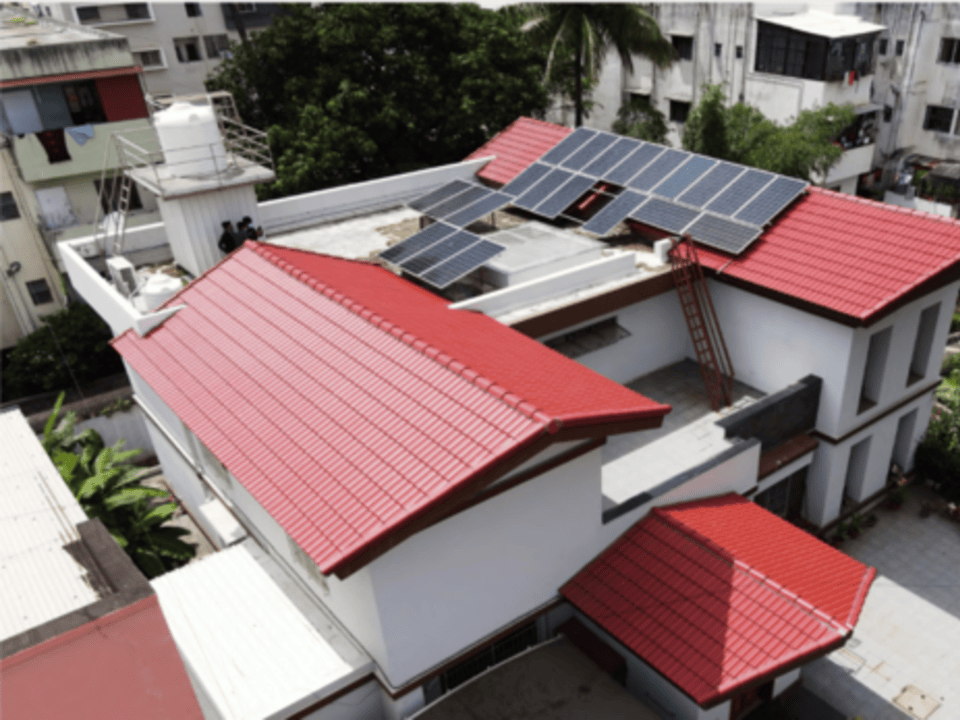
Solar Design Company in India: Maximizing Output
Two homes with identical roof sizes and the same number of solar panels can produce noticeably different amounts of electricity. The difference usually isn’t the equipment – it’s the design. This is exactly why working with an experienced solar design company in India matters far more than most people realize.
Many homeowners and business owners assume solar is simply about buying panels and mounting them wherever there’s space. In reality, panel placement, tilt angle, shading analysis, wiring layout, and inverter sizing all significantly affect how much electricity your system actually generates over its lifetime.
In this blog, we’ll walk through exactly how professional solar design and engineering maximizes output – and why skipping this step, even with quality equipment, can quietly cost you years of lost savings.
Quick Answer: Why Does Solar Design Matter So Much?
A properly engineered solar system, designed by an experienced solar design consultant, typically generates meaningfully more electricity over its lifetime compared to a poorly planned installation with identical equipment – because design directly affects:
- How much usable sunlight each panel actually receives
- Whether shading from nearby structures or trees reduces output
- How efficiently wiring and inverter sizing convert generated power into usable electricity
- Long-term system stability and reduced maintenance issues
Quick Tip: If two installers quote you the same panel brand and count but very different prices, ask both for their layout and shading analysis – the design work behind the quote often explains the price difference.
What Does “Solar Design” Actually Involve?
Professional solar design goes far beyond deciding where panels physically fit. It includes:
1. Site Assessment & Shading Analysis
Understanding how sunlight moves across your roof throughout the day and year, and identifying any obstructions – trees, water tanks, neighboring buildings – that could cast shade on panels.
2. Panel Layout & Orientation
Determining the optimal placement, tilt angle, and orientation of panels to maximize sun exposure based on your specific location and roof structure.
3. String Design & Wiring Layout
Planning how panels are electrically connected (in “strings”) to minimize losses and ensure that shading on one panel doesn’t disproportionately affect the entire system’s output.
4. Inverter Sizing & Selection
Matching inverter capacity correctly to your system size and consumption pattern – an undersized or oversized inverter can quietly reduce overall efficiency.
5. Structural & Safety Engineering
Ensuring mounting structures are engineered to handle local wind loads, monsoon conditions, and roof load-bearing capacity safely.
Did You Know? Even a small amount of shading on just one panel in a poorly designed string can reduce the output of the entire string, not just that single panel – this is exactly why proper string design by a skilled solar design engineer matters so much.
Why Generic, Copy-Paste Layouts Underperform
Not every installer invests time in genuine site-specific design. Some common shortcuts to watch for:
- Standard layouts applied regardless of roof shape or shading conditions
- Minimal or no shading analysis before installation
- Inverter sizing based on rough estimates rather than actual consumption data
- Ignoring seasonal sun path changes, which affect panel tilt optimization
Ask yourself: Has your installer discussed shading patterns, panel orientation, or string layout with you – or did the conversation only cover panel brand and total price?
Real-World Example: Same Roof, Different Output
Consider two homes in the same neighborhood, each installing a 3kW system with identical panel brands.
Home A: Installed with a generic layout, minimal shading analysis, and standard inverter sizing. Home B: Installed after a proper site assessment by a solar power plant consultant, with optimized tilt angle, string design accounting for partial afternoon shading from a neighboring building, and correctly matched inverter capacity.
Even with the same panel count and brand, Home B typically generates noticeably more electricity annually – simply because the engineering behind the installation accounted for real site conditions rather than a one-size-fits-all approach.
Quick Tip: The visible cost of professional design might seem like an added expense upfront, but it directly translates into higher lifetime generation – often outweighing the design cost many times over across a 25-year system lifespan.
Residential vs Commercial vs Industrial Design Considerations
| Factor | Residential | Commercial | Industrial |
| Typical design complexity | Moderate – single roof, limited shading factors | Higher – larger roof area, multiple shading sources | High – large-scale layout, load calculations, multiple inverters |
| Key design focus | Panel orientation, tilt, basic shading analysis | String design, inverter sizing across zones | Structural engineering, grid synchronization, large-scale string optimization |
| Consultant involvement | Site visit + basic design | Detailed site assessment + energy audit | Comprehensive engineering study, often multi-stage design review |
Quick Tip: The larger and more complex your property, the more critical it becomes to work with an experienced solar consultant in India who has handled projects of similar scale – a residential-focused installer may not have the engineering depth needed for a large commercial or industrial layout.
How Customized Design Supports a Personalized Energy Strategy
Every property has a different roof shape, shading pattern, and electricity consumption profile – which is exactly why a customized energy solution typically outperforms a generic, one-size-fits-all installation.
For homeowners, this might mean adjusting solar panel design for home layouts around a water tank or skylight. For businesses, it could mean designing around multiple roof sections with varying orientations. For industrial plants, it often involves detailed solar power plant design work accounting for large-scale structural and electrical engineering requirements.
Common Mistakes When Choosing a Solar Design Approach
- Choosing an installer based purely on panel brand and price, without asking about design and engineering process.
- Skipping shading analysis, assuming a rooftop is “clear enough” without professional assessment.
- Not questioning inverter sizing, which significantly affects overall system efficiency.
- Ignoring seasonal sun path variations, leading to suboptimal panel tilt decisions.
- Assuming more panels always means more output, without considering whether layout and stringing are optimized.
- Overlooking structural engineering considerations, especially in regions with strong monsoon winds.
Checklist: Evaluating a Solar Design Company in India
Before finalizing your installer, check:
- Did they conduct a proper site visit and shading analysis before quoting?
- Can they explain their panel layout and string design reasoning?
- Is inverter sizing based on your actual consumption data, not a generic estimate?
- Do they account for seasonal sun path changes in tilt and orientation decisions?
- Have they handled projects similar in scale to yours (residential, commercial, or industrial)?
- Can they show examples of customized designs for properties with shading or layout challenges?
ROI Insight: Design Quality Directly Affects Long-Term Returns
Since solar systems are expected to perform for 20-25 years, even a modest improvement in design efficiency compounds significantly over that lifespan. A well-designed system captures more usable sunlight, experiences fewer shading-related losses, and operates with better inverter efficiency – all of which directly increase your total lifetime savings.
Quick Tip: When comparing quotes, don’t just calculate cost per kW – ask what expected annual generation each design promises, and compare that figure across installers, not just price.
When Should You Contact a Solar Expert?
Reach out to a solar design consultant if:
- Your roof has partial shading from trees, water tanks, or neighboring structures.
- You’re comparing quotes that seem to offer very different prices for similar system sizes.
- You’re planning a commercial or industrial-scale installation requiring detailed engineering.
- You want to understand how panel layout and string design will affect your specific property’s output.
- You’re unsure whether your current installer’s design approach is optimized for your site conditions.
A proper design consultation can reveal output differences that significantly affect your long-term ROI – well worth the conversation before committing to an installer.
FAQs
1. Why does solar panel design matter if the equipment is the same? Design directly affects how much usable sunlight panels receive, how shading impacts output, and how efficiently the system converts generated power into usable electricity – all of which vary significantly based on layout and engineering, even with identical equipment.
2. What does a solar design consultant actually do? A solar design consultant analyzes your site’s shading, sun path, roof structure, and consumption pattern to create an optimized layout, string design, and inverter sizing plan tailored to your specific property.
3. Does solar design matter for small residential systems too? Yes. Even small residential installations benefit from proper shading analysis and panel orientation planning, since these factors affect output regardless of system size.
4. How does shading affect solar panel output? Shading on even one panel within a poorly designed string can reduce the output of the entire string, not just the shaded panel, making proper string design critical for minimizing this impact.
5. What’s the difference between a generic and a customized solar design? A generic design applies standard layouts regardless of site-specific conditions, while a customized energy solution accounts for your roof’s unique shape, shading pattern, and consumption profile to maximize output.
6. Do commercial and industrial solar projects need different design expertise than residential? Yes. Commercial and industrial solar power plant design typically involves more complex structural engineering, multiple inverter zones, and large-scale layout optimization compared to residential installations.
7. How can I tell if my solar quote includes proper design work? Ask your installer to explain their shading analysis, panel layout reasoning, and inverter sizing logic – a quote based on genuine design work should include these details, not just a total price and panel count.
8. Does better solar design actually increase my savings over time? Yes. Since solar systems operate for 20-25 years, even modest design-driven efficiency improvements compound significantly, often resulting in meaningfully higher lifetime generation and savings.
Conclusion
Choosing the right solar design company in India isn’t just a technical detail – it’s one of the biggest factors determining how much your solar investment actually delivers over its lifetime. Proper layout planning, shading analysis, string design, and inverter sizing can mean the difference between a system that performs close to its full potential and one that quietly underdelivers for 20+ years.
Whether you’re a homeowner, a business, or planning an industrial-scale installation, the right design and engineering approach protects both your output and your long-term ROI.
Ready for a Solar Design Built Around Your Property?
S’unlimited Solar customized designing process combines detailed site assessment, shading analysis, and engineering expertise to maximize output for your specific home, business, or industrial site.
Request your free consultation and site survey today →
Get a solar design built to perform – not just fit the space.

Pournima
A content writer at S'unlimited with expertise in solar energy education, producing guides and insights that simplify complex industry concepts for homeowners and businesses.