
Solar Power Monitoring System: Real-Time Alerts That Prevent Revenue Loss
Solar Power Monitoring System: Stop Losing Revenue
Here’s an uncomfortable truth about rooftop and ground-mounted solar: a system can look perfectly fine from the ground and still be quietly losing you money for weeks. A tripped inverter, a shaded string, a loose connector – none of these are visible to the naked eye, but every single one eats into your generation and your savings. A solar power monitoring system is what closes that gap. Instead of finding out about a fault when your electricity bill arrives unusually high, you get notified the moment something goes wrong – often before it even becomes a real problem.
In this guide, we’ll walk through how solar monitoring actually works, what kind of revenue loss it prevents, and how to know if your current setup needs one.
Quick question: Do you currently know how much energy your solar system generated yesterday? If you had to guess, that’s a sign your system might be running blind.
What Is a Solar Power Monitoring System?
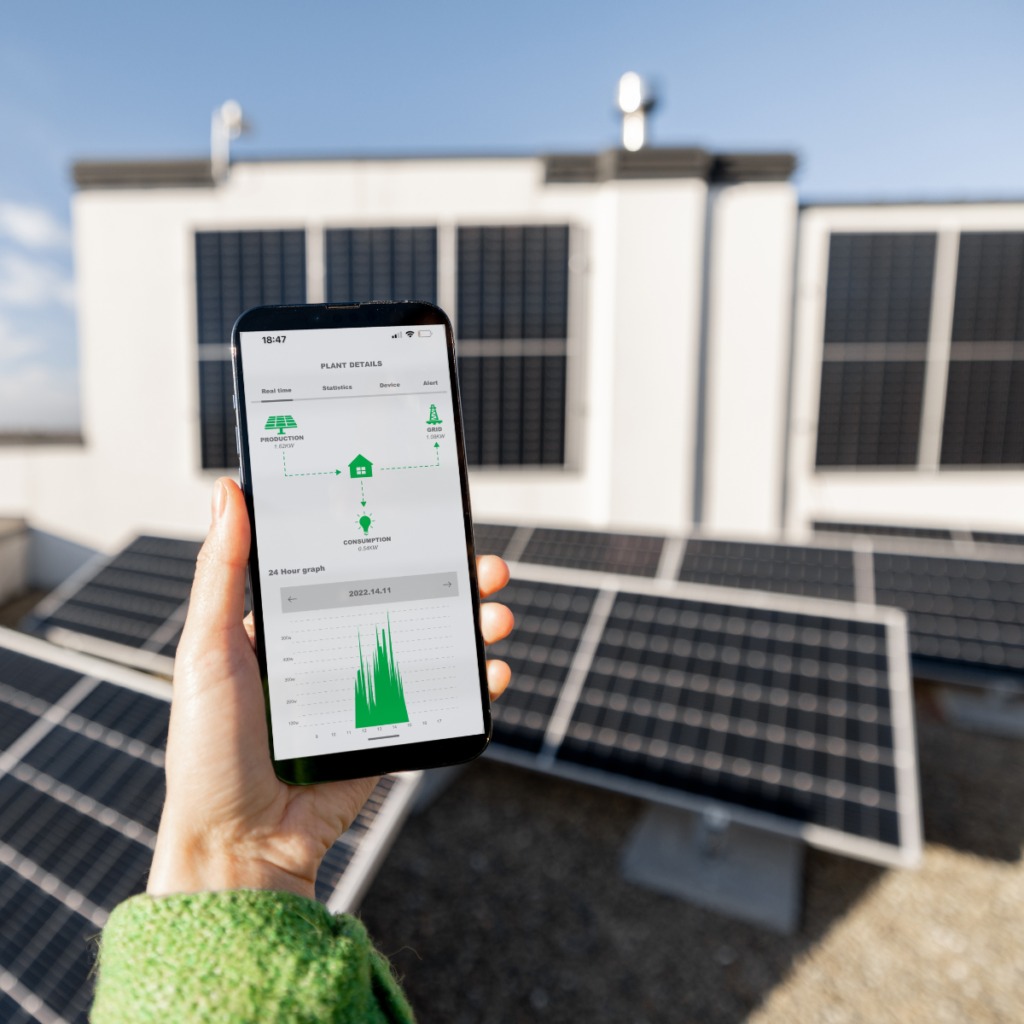
A solar power monitoring system is a combination of sensors, communication devices, and software that tracks your solar installation’s performance in real time. Think of it as the difference between driving with a dashboard versus driving with the dashboard covered – you might still get to your destination, but you won’t know about the warning lights until something actually breaks down.
At its core, a good solar energy monitoring system tracks:
- Real-time power generation (kW) and daily/monthly energy yield (kWh)
- Inverter status and performance
- String-level or panel-level output (in advanced systems)
- Grid export and import data (especially important with net metering)
- Faults, alarms, and performance deviations
- Historical trends to spot gradual degradation
Whether you call it a solar power tracking system, a solar energy tracking system, or simply a solar energy tracker, the underlying job is the same: turning your solar asset from a “set it and forget it” installation into something you can actively manage.
Did You Know? Studies on distributed solar installations consistently show that even a small, unnoticed fault – like one shaded or under-performing string – can silently reduce total system output by 10–20% for months before anyone notices without monitoring in place.
How Does Solar System Monitoring Actually Prevent Revenue Loss?
Revenue loss from solar systems rarely happens because of one big dramatic failure. It happens through small, unnoticed issues that quietly stack up over time. Here’s where solar monitoring solutions step in.
1. Catching Faults the Moment They Happen
Without monitoring, a fault – say, an inverter that’s gone into fault mode overnight – might go unnoticed for days or even weeks, especially if no one is physically checking the system regularly. With real-time alerts, you (or your maintenance team) get notified immediately via SMS, email, or app notification.
Real-world example: A commercial rooftop system in Pune had an inverter fault occur on a Friday evening. Without monitoring, this typically wouldn’t be caught until the next billing cycle. With active monitoring in place, the facility manager received an alert within minutes, and a technician resolved it by Saturday morning – preventing nearly two full days of lost generation during peak sunlight hours.
2. Spotting Gradual Performance Degradation
Not every issue is sudden. Dust accumulation, minor shading from new construction or tree growth, and connector wear all cause gradual output decline that’s nearly impossible to notice just by looking at your bill. A solar energy tracking system compares your actual output against expected generation and flags deviations before they become significant losses.
3. Preventing Net Metering Errors
If you’re on a net metering connection, discrepancies between what you generate, consume, and export directly affect your bill credits. Monitoring systems help verify that your net metering data lines up correctly, so you’re not losing out on export credits due to a technical or billing mismatch.
4. Reducing Unnecessary Site Visits
For businesses and industries managing solar across multiple locations, remote monitoring means you don’t need someone physically checking each site regularly. Issues get flagged automatically, and maintenance visits become targeted instead of routine – saving both time and money.
Real-Time Alerts vs No Monitoring: What’s the Real Cost Difference?
Let’s put this into perspective with a comparison.
| Scenario | Without Monitoring | With Real-Time Solar Monitoring |
| Inverter fault detection | Days to weeks (only noticed via bill or manual check) | Minutes to hours (instant alert) |
| Performance degradation | Often unnoticed until it’s significant | Flagged early through trend tracking |
| Net metering discrepancies | Difficult to verify without data | Cross-checked against actual generation |
| Maintenance approach | Reactive, often after damage is visible | Proactive, based on real data |
| Multi-site oversight (commercial/industrial) | Requires manual site visits | Centralized dashboard, remote visibility |
| Estimated annual revenue loss from undetected faults | Can range from 5–20% of expected generation | Minimized significantly through early detection |
The math is simple: if a 10 kW commercial system generates roughly ₹1.2–1.5 lakh worth of electricity value annually, even a 10% undetected performance loss over several months can mean tens of thousands of rupees quietly disappearing – money that active monitoring would have caught and corrected.
Who Actually Needs a Solar Power Monitoring System?
Monitoring isn’t just for large industrial plants. Here’s who benefits, and how:
Homeowners
- Verify your system is generating as promised by your installer
- Get simple alerts if generation drops unexpectedly
- Track daily savings and payback progress over time
Businesses & Commercial Property Owners
- Monitor multiple rooftops or sites from a single dashboard
- Catch faults quickly to avoid downtime-related losses
- Use performance data for maintenance planning and vendor accountability
Industries
- Track large-scale generation against contracted or expected output
- Identify string or panel-level issues in large arrays before they compound
- Integrate monitoring data with energy management systems for broader efficiency reporting
Ask yourself: Is your solar system currently just “installed and forgotten,” or do you actually have visibility into how it’s performing week to week? If it’s the former, you’re likely leaving money on the table.
Decision Checklist: Do You Need to Upgrade Your Monitoring?
Run through this quickly:
- Have you ever discovered a fault only after noticing a high electricity bill?
- Do you rely on manual, in-person checks to know if your system is working properly?
- Do you manage more than one solar installation across different sites?
- Have you never received an alert or notification about your system’s performance?
- Is your current monitoring (if any) limited to just a basic inverter display with no historical data or alerts?
If you checked two or more boxes, it’s worth having your system assessed for an upgraded solar monitoring solution.
Common Mistakes to Avoid With Solar Monitoring
- Assuming the inverter’s built-in display is “monitoring enough.” Most basic displays show only current output, not trends, faults, or historical performance.
- Ignoring alerts because they seem minor. Small deviations often signal the start of a bigger issue.
- Not checking generation data regularly, even with monitoring installed – the system only helps if someone’s actually looking at it (or has alerts properly configured).
- Choosing monitoring hardware that isn’t compatible with your existing inverter or system setup, leading to incomplete data.
- Overlooking string-level monitoring for larger systems, which means faults in one section of a large array can go undetected while the overall system still “looks fine.”
Quick Tip: If your monitoring system doesn’t notify you actively – meaning you have to log in and check manually every time – you’re not getting the full benefit of real-time alerts. True active monitoring should come to you, not the other way around.
When Should You Contact a Solar Expert About Monitoring?
You don’t need to wait for a problem to reach out. Consider getting expert guidance if:
- Your electricity bills have crept up despite having solar installed
- You’ve never received any alert or notification since installation
- You manage solar across multiple properties and want centralized visibility
- Your current monitoring only shows real-time numbers with no historical or fault data
- You’re unsure whether your system is performing at the level it was designed for
At S’unlimited Solar, our active monitoring service is built to catch issues before they cost you real money – with real-time alerts, performance tracking, and expert support whenever something needs attention.
Get a free monitoring assessment for your solar system →
Frequently Asked Questions
1. What is a solar power monitoring system? A solar power monitoring system tracks your solar installation’s real-time generation, performance, and faults using sensors and software, sending alerts when something deviates from expected performance.
2. How does solar monitoring prevent revenue loss? It catches faults, underperformance, and net metering discrepancies early – often within minutes to hours – instead of letting issues go unnoticed for weeks, which directly protects your expected energy savings and export credits.
3. Do residential solar systems need monitoring, or is it only for commercial installations? Both benefit. Homeowners get peace of mind and verified savings tracking, while businesses and industries get multi-site visibility and reduced maintenance costs – the scale of benefit is larger for bigger systems, but the core value applies to everyone.
4. What’s the difference between a solar power tracking system and basic inverter display? A basic inverter display typically shows only current output. A proper solar power tracking system provides historical trends, fault alerts, string or panel-level data, and remote accessibility – giving you a complete performance picture, not just a snapshot.
5. How quickly can real-time alerts detect a solar system fault? With active monitoring in place, faults are typically flagged within minutes to a few hours of occurring, compared to days or weeks without any monitoring system.
6. Can solar monitoring help with net metering accuracy? Yes. Monitoring data helps verify that your actual generation, consumption, and export figures align correctly with your net metering bill, helping catch discrepancies early.
7. Is solar monitoring expensive to add to an existing system? Monitoring solutions vary based on system size and the level of detail needed (basic inverter-level vs advanced string-level tracking), but the cost is typically recovered quickly through prevented losses and optimized performance.
8. How do I know if my current solar monitoring setup is good enough? If you’ve never received a proactive alert, can’t view historical generation trends, or rely on manual checks to confirm your system is working, it’s worth having your setup evaluated by a solar monitoring expert.
Conclusion: Don’t Let Your Solar Investment Run Blind
A solar power monitoring system isn’t a “nice to have” add-on – it’s what protects the return on investment you already made when you went solar. Faults, gradual performance dips, and net metering mismatches can quietly cost you money for months if nobody’s watching. Real-time alerts make sure someone always is.
Whether you’re a homeowner who just wants peace of mind, or a business managing solar across multiple sites, the question isn’t whether you need visibility into your system’s performance – it’s how much revenue you’ve already lost without it.
Ready to find out how your system is really performing? Request a free consultation and active monitoring assessment with S’unlimited Solar – we’ll help you catch issues before they cost you.
Pournima
A content writer at S'unlimited with expertise in solar energy education, producing guides and insights that simplify complex industry concepts for homeowners and businesses.