
Why Every Solar Rooftop Needs a Monitoring System (And What It Actually Tracks)
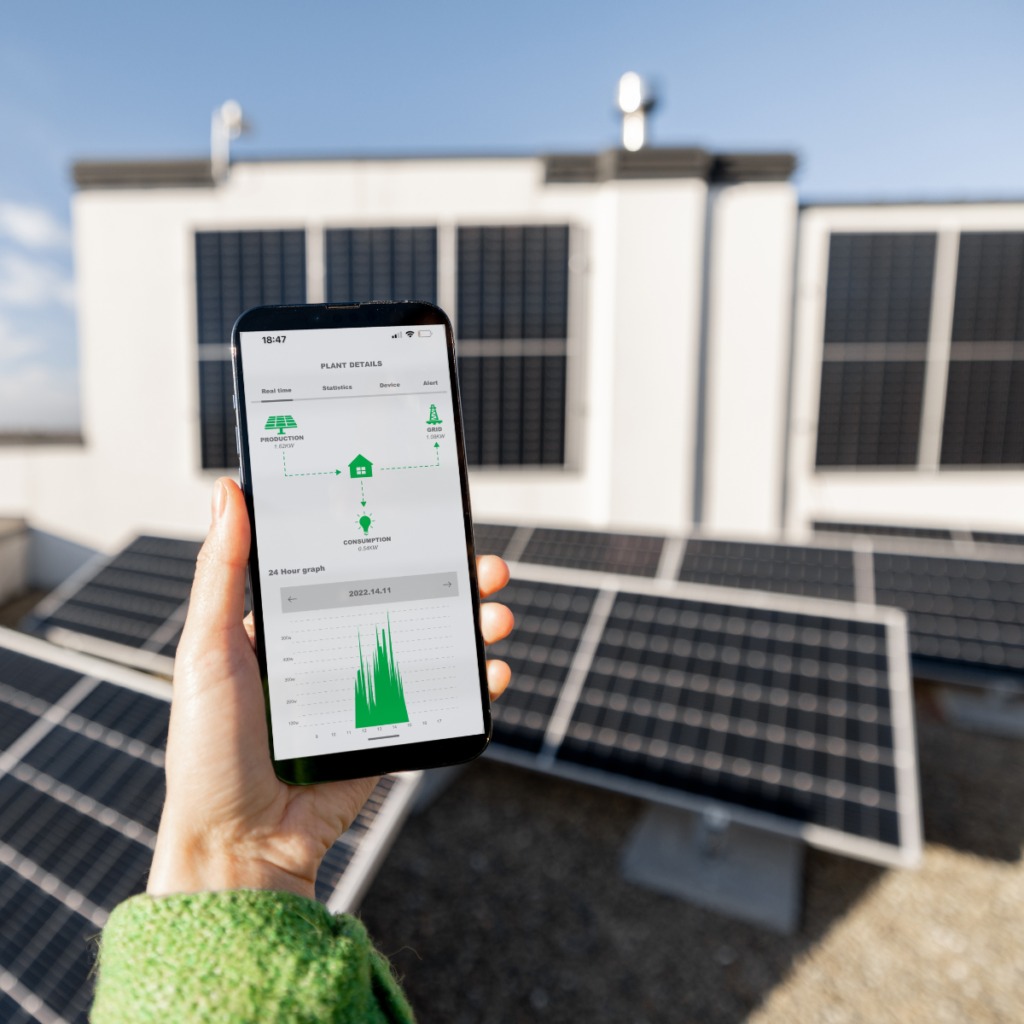
Solar Power Monitoring System: What It Tracks & Why
If you’ve installed rooftop solar, or you’re about to, here’s a question worth sitting with: do you actually know what a solar power monitoring system tracks, or do you just assume it shows “how much power is being made”? Most people fall into the second category – and that gap in understanding is exactly why so many solar owners miss early signs of trouble.
Monitoring isn’t just a nice-to-have dashboard. It’s the only way to actually verify that your system is performing the way it was designed to – and to catch the small issues before they quietly chip away at your savings.
In this blog, we’ll go beyond the basics and explain exactly what a proper monitoring system tracks, why each metric matters, and why skipping monitoring altogether is a bigger risk than most homeowners and businesses realize.
Quick Answer: What Does a Solar Power Monitoring System Actually Track?
A comprehensive solar power monitoring system typically tracks:
- Real-time and cumulative power generation (kWh)
- Instantaneous power output (kW) at any given moment
- Panel or string-level performance (in advanced setups)
- Inverter status and efficiency
- Historical performance trends over days, months, and years
- System faults, alerts, and downtime periods
- Environmental factors like temperature and irradiance (in advanced systems)
Quick Tip: If your current monitoring only shows a single daily generation number, you’re seeing a fraction of what a proper system should be tracking – and missing most of the early warning signs that matter.
Why “Just Installing Solar” Isn’t Enough Anymore
There’s a common assumption that once solar panels are up and running, the job is done. In reality, solar systems are dynamic – their output changes daily based on weather, gradually shifts due to wear, and can be affected by faults that aren’t visible to the eye.
Did You Know? Solar panels naturally degrade in performance over time – a well-maintained system typically retains the vast majority of its original output even after many years, but only if issues are caught and addressed early. Without monitoring, you have no way of knowing whether your system is degrading normally or losing output faster than it should.
Ask yourself: If your system’s output dropped by 10% next month, would you notice – or would it just blend into your regular electricity bill?
Metric 1: Real-Time and Cumulative Generation
This is the most basic, and most commonly seen, metric – but it’s worth understanding properly.
- Real-time generation shows how much power your system is producing right now, useful for understanding performance during peak sunlight hours.
- Cumulative generation tracks total output over a day, month, or the system’s lifetime, useful for verifying long-term performance against expectations.
Why it matters: Comparing your actual cumulative generation against what your system size and location should typically produce is the simplest way to spot underperformance.
Metric 2: Instantaneous Power Output
This tracks your system’s power output (in kW) at any specific moment, rather than accumulated energy over time.
Why it matters: Sudden drops in instantaneous output – say, during a normally sunny period – can indicate a fault like shading, a tripped inverter, or a loose connection, often before it shows up in your daily totals.
Metric 3: Panel or String-Level Performance
For larger residential systems, commercial installations, and industrial plants, monitoring at the individual panel or string level provides much more precise insight than whole-system tracking alone.
Why it matters: If one panel or string underperforms due to shading, dirt, or damage, string-level monitoring pinpoints exactly where the issue is – rather than requiring you to inspect every single panel manually.
| Monitoring Level | What It Shows | Best Suited For |
| System-level | Overall generation only | Small residential systems |
| String-level | Performance of each connected group of panels | Larger residential, commercial |
| Panel-level | Individual panel performance | Commercial, industrial, complex roof layouts |
Not sure which monitoring level suits your system size? Talk to S’unlimited Solar about the right setup for your property.
Metric 4: Inverter Status and Efficiency
The inverter converts the DC power generated by panels into usable AC power for your home or business – and it’s often the first component to show signs of an issue.
Why it matters: A solar energy monitoring system that tracks inverter efficiency separately from panel output can reveal whether generation losses are coming from the panels themselves or from inverter inefficiency – two very different problems with different fixes.
Metric 5: Historical Performance Trends
This tracks how your system’s output compares across weeks, months, and years – not just today’s numbers.
Why it matters: Gradual performance decline is nearly invisible day-to-day, but becomes obvious when you compare, say, this month’s generation against the same month last year. A solar energy tracking system with strong historical data makes this comparison effortless.
Did You Know? Seasonal variation is completely normal – solar output naturally differs between summer and monsoon months. Good historical tracking helps you distinguish this normal seasonal pattern from a genuine performance problem.
Metric 6: Faults, Alerts, and Downtime
Beyond just showing numbers, a genuinely useful solar monitoring solution actively flags problems.
Why it matters: Instead of manually checking your app daily, you get notified the moment something goes wrong – a tripped inverter, a communication failure, or output dropping below expected thresholds.
Quick Tip: Ask any monitoring provider directly: “Does your system send alerts, or do I need to check the dashboard myself to notice a problem?” The answer reveals a lot about how genuinely protective the system is.
Metric 7: Environmental Data (Advanced Systems)
Some advanced monitoring setups also track temperature and solar irradiance at the installation site.
Why it matters: This context helps distinguish whether a lower output is due to genuinely poor weather conditions or an actual system fault – adding an extra layer of accuracy to performance analysis, particularly valuable for larger commercial and industrial installations.
Real-World Example: What Proper Tracking Reveals
Consider a homeowner with a 4kW rooftop system. Without monitoring, their electricity bill gradually crept up over several months – easy to dismiss as “just a hot summer” or higher usage.
With a proper solar power tracking system in place, historical trend data clearly showed generation was down compared to the same period the previous year, and a fault alert pointed to a specific underperforming string. A quick inspection revealed a loose connector – a fifteen-minute fix that restored the system’s expected output, something that would have gone unnoticed for months without proper tracking.
Quick Tip: The cost of proper monitoring is almost always far smaller than the savings lost from months of undetected underperformance.
Who Actually Needs Solar Monitoring?
| User Type | Why Monitoring Matters |
| Homeowners | Verify system performance, catch bill increases early |
| Small businesses | Protect cost savings tied to solar offset |
| Commercial property owners | Manage multiple systems without manual daily checks |
| Industrial plant operators | Minimize revenue impact from underperformance at scale |
Ask yourself: Whether you’re managing one rooftop or several sites, do you currently have a reliable way to know if performance drops – or are you relying on your electricity bill to tell you, weeks after the fact?
Common Mistakes People Make With Solar Monitoring
- Assuming basic generation display is the same as proper monitoring, when it’s missing fault detection and historical comparison.
- Never checking historical trends, only glancing at today’s numbers occasionally.
- Ignoring inverter-specific data, even though it’s often the first sign of an issue.
- Dismissing alerts as unimportant, rather than investigating them promptly.
- Skipping monitoring for smaller residential systems, assuming it’s only necessary for large installations.
- Not asking what specific metrics a monitoring solution actually tracks before choosing one.
Checklist: Does Your Monitoring System Track What Actually Matters?
- Real-time and cumulative generation data
- Instantaneous power output, not just daily totals
- Panel or string-level tracking, if your system size warrants it
- Inverter-specific performance data
- Historical trend comparison across months and years
- Automatic fault and underperformance alerts
- Remote access via mobile app
ROI Insight: Why Comprehensive Tracking Protects Your Investment
The entire financial case for solar depends on your system performing close to its expected output over its 20-25 year lifespan. Every metric a proper solar system monitoring setup tracks – generation, inverter health, historical trends, faults – exists to catch deviations from that expectation early, before they silently erode your savings.
Quick Tip: Think of comprehensive monitoring as insurance for your solar ROI calculation – the modest ongoing cost protects the much larger investment you’ve already made.
When Should You Contact a Solar Expert?
Reach out to a monitoring specialist if:
- You’re unsure what metrics your current monitoring setup actually tracks.
- Your electricity bill has changed unexpectedly without a clear reason.
- You manage a commercial or industrial site and need panel or string-level visibility.
- You’re installing a new system and want comprehensive monitoring built in from the start.
- You want to understand how your system’s current performance compares to its expected output.
A quick assessment can reveal exactly what your monitoring setup is (and isn’t) currently protecting you from.
FAQs
1. What exactly does a solar power monitoring system track? A comprehensive system tracks real-time and cumulative generation, instantaneous power output, panel or string-level performance, inverter efficiency, historical trends, and fault alerts.
2. Do I need panel-level monitoring for a small home system? Not usually. Panel-level monitoring is most valuable for larger residential systems, commercial installations, or complex roof layouts where pinpointing specific issues saves significant troubleshooting time.
3. Can monitoring distinguish between normal seasonal variation and a genuine fault? Yes, good historical trend tracking and, in advanced systems, environmental data help distinguish expected seasonal changes from genuine performance issues.
4. Why does inverter monitoring matter separately from panel monitoring? The inverter converts DC power to usable AC power and is often the first component to show performance issues, so tracking it separately helps identify the actual source of any output drop.
5. Is solar monitoring necessary if my system seems to be working fine? Yes, because gradual underperformance often isn’t visible without direct comparison to expected output – monitoring is how you verify “working fine” rather than assume it.
6. How quickly does a good solar energy tracking system detect faults? A well-configured system should flag significant underperformance or faults within a day or two, rather than the weeks or months it might take to notice through bill comparison alone.
7. What’s the difference between basic generation display and full solar monitoring solutions? Basic display shows raw numbers you have to interpret yourself, while full monitoring solutions actively compare performance against expected output and send automatic alerts when something’s wrong.
8. Does monitoring data help with maintenance or warranty claims? Yes, documented historical performance and fault data can serve as valuable evidence when discussing issues with installers, filing warranty claims, or planning maintenance.
Conclusion
A solar power monitoring system isn’t just a dashboard showing how much electricity you’re generating – done properly, it tracks generation, inverter health, panel-level performance, historical trends, and faults, giving you a genuine, ongoing picture of whether your investment is performing as promised. Skipping this step means relying on your electricity bill as your only feedback loop, which is often weeks or months too late to catch smaller issues before they add up.
Whether you own a small rooftop system or manage a large commercial or industrial installation, comprehensive monitoring is one of the simplest ways to protect the savings your solar investment was designed to deliver.
Ready for Complete Visibility Into Your Solar System’s Performance?
S’unlimited Solar’s active monitoring solutions track everything from real-time generation to inverter health and fault alerts, helping you catch issues before they cost you.
Request your free consultation today →
Get complete clarity on how your solar system is really performing – not just a number, the full picture.

Pournima
A content writer at S'unlimited with expertise in solar energy education, producing guides and insights that simplify complex industry concepts for homeowners and businesses.