
Solar Monitoring for Commercial PV Systems: Challenges & Solutions
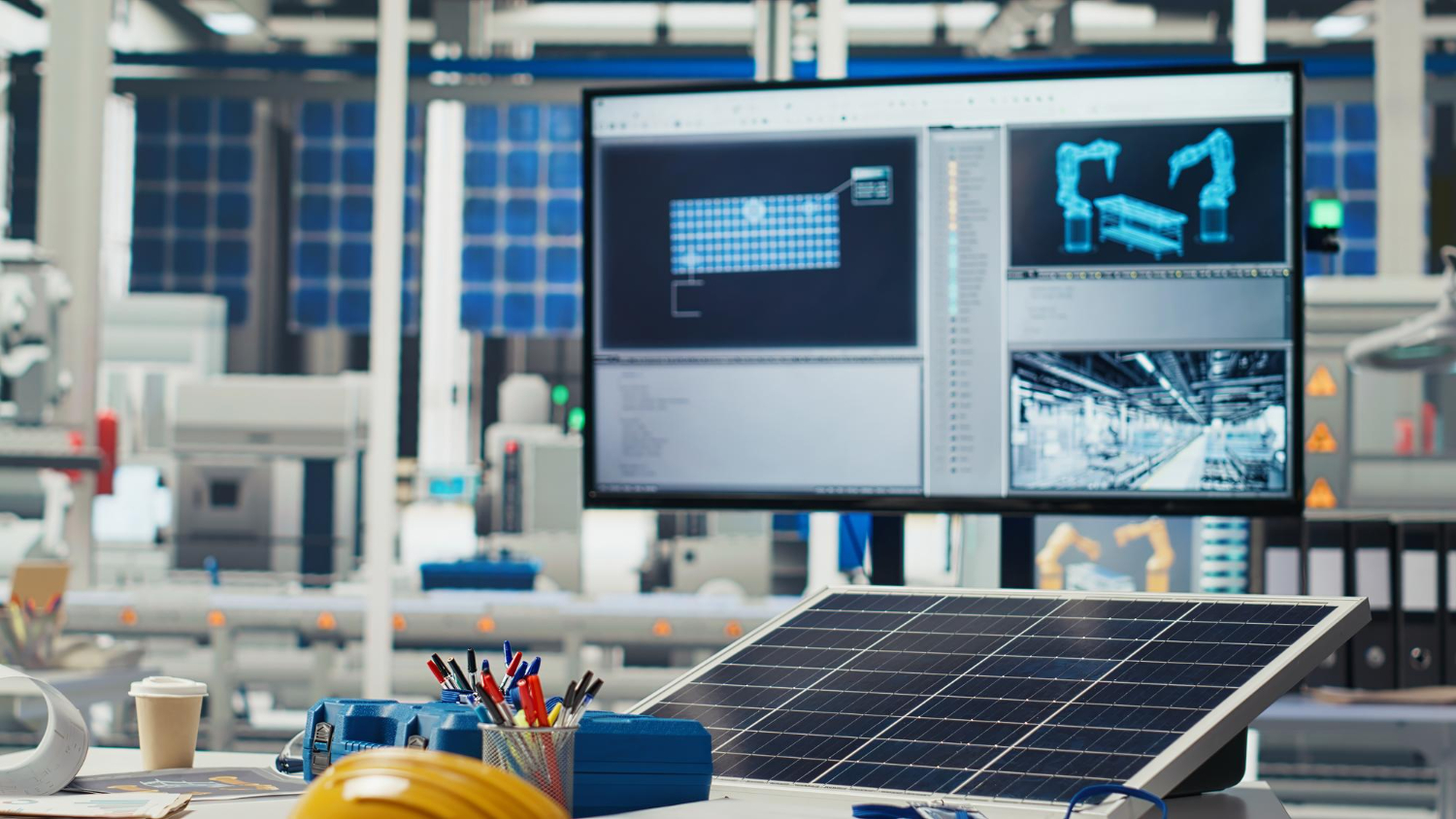
Solar Monitoring Solutions for Commercial PV | Avyanna Tech
By Avyanna Tech – Powering Smarter Solar Performance
Solar energy is no longer just a sustainable choice; it’s a strategic business investment. But for commercial solar installations, ensuring that every panel operates at peak performance isn’t as simple as flipping a switch. That’s where solar monitoring solutions step in and why they’re critical for any serious solar deployment.
In this blog, we’ll explore the real challenges commercial PV systems face and how modern monitoring technologies help overcome them, driving efficiency, reducing costs, and boosting ROI.
Why Monitoring Matters for Commercial Solar Systems
Commercial photovoltaic (PV) installations, whether on rooftops or ground-mounted in utility fields, often span hundreds or thousands of panels. These systems generate vast amounts of energy, but without real-time visibility into performance, issues can go unnoticed until they become costly failures.
Solar monitoring solutions provide that visibility, tracking energy production, flagging anomalies, and enabling proactive management. This data isn’t just numbers; it’s actionable insight that helps businesses optimize energy usage and reduce downtime.
Challenge #1: Complex Integration of Diverse Components
Commercial PV systems typically consist of multiple inverters, panels, battery systems, and sensors, often from different manufacturers. This diversity creates integration challenges:
- Different communication protocols
- Inconsistent data formats
- Fragmented information streams
Without seamless integration, businesses can struggle to get a unified view of system health and performance. This is why a robust monitoring framework is essential, capable of consolidating data across all equipment and translating it into usable insights.
Solution: Modern solutions leverage open APIs and standardized data protocols to unify system communication. Cloud-based platforms can gather and merge data from various sources, providing a centralized dashboard that’s accessible from anywhere — including mobile and desktop. This removes silos and lets operations teams quickly pinpoint issues.
Challenge #2: High Initial Implementation Costs
The upfront investment required for advanced monitoring hardware and software can be intimidating for some businesses, especially small and medium-sized enterprises. Advanced systems can represent a significant portion of project costs, creating hesitation in adoption.
However, investing in quality solar monitoring solutions is far from an unnecessary luxury; it’s a risk mitigation strategy.
Solution:
- Cloud-enabled platforms reduce the need for expensive on-site data storage and infrastructure.
- Scalable solutions allow businesses to start with basic monitoring and evolve into more advanced analytics as needs grow.
- Pay-as-you-grow pricing models make monitoring affordable without compromising performance insights.
In the long term, better operational performance and reduced maintenance issues rapidly offset initial costs.
Challenge #3: Making Sense of Big Data
Commercial solar systems generate massive amounts of data, from panel output and inverter efficiency to temperatures, irradiance, and battery status. But raw data alone doesn’t help if it isn’t interpreted correctly.
Organizations often struggle with:
- Managing large datasets
- Extracting meaningful trends
- Identifying performance dips quickly
Solution: AI-driven monitoring and real-time analytics can translate raw metrics into understandable insights, including trend analysis and fault prediction. Predictive models help forecast potential problems before they occur, so issues can be resolved without loss of production.
Challenge #4: Cybersecurity and Data Protection
As monitoring systems become more interconnected, the risk of data breaches increases. Cloud-based platforms and IoT devices make comprehensive monitoring possible, but they also expose systems to potential cybersecurity threats.
Solution: Best-in-class solar monitoring solutions build security into their core architecture, using encrypted communication channels, multi-factor authentication, and compliance with industry cybersecurity standards. Ensuring secure data transmission and storage protects sensitive performance information and reinforces trust.
High Value Comes with High Visibility
When deployed effectively, solar monitoring transforms a commercial PV system from a static asset into a dynamic, data-driven powerhouse. Benefits include:
- Real-time performance tracking across all panels and inverters
- Automated alerts for inefficiencies and faults
- Historical trend analysis for predictive decision-making
- Remote access for managers and technicians
- Improved ROI and reduced O&M costs through proactive maintenance
According to industry insights, real-time monitoring reduces downtime, improves maintenance scheduling, and strengthens overall power performance, making it indispensable to modern solar strategies.
Conclusion
At Avyanna Tech, we believe commercial solar installations should be easy to run, monitor, and optimize, without guesswork or blind spots. Our focus on advanced solar monitoring solutions means you stay in control of your system’s performance and maximize power yield every day.
Whether you’re planning a new installation or upgrading an existing system, our solutions bring clarity, foresight, and robust insights to your solar operations.
Ready to unlock the full potential of your commercial solar PV system? Discover active monitoring options on our website.
Harness data. Maximize energy. Empower your business.
Pournima
A content writer at S'unlimited with expertise in solar energy education, producing guides and insights that simplify complex industry concepts for homeowners and businesses.