
Why You Need a Solar Power Plant Consultant Before Installation
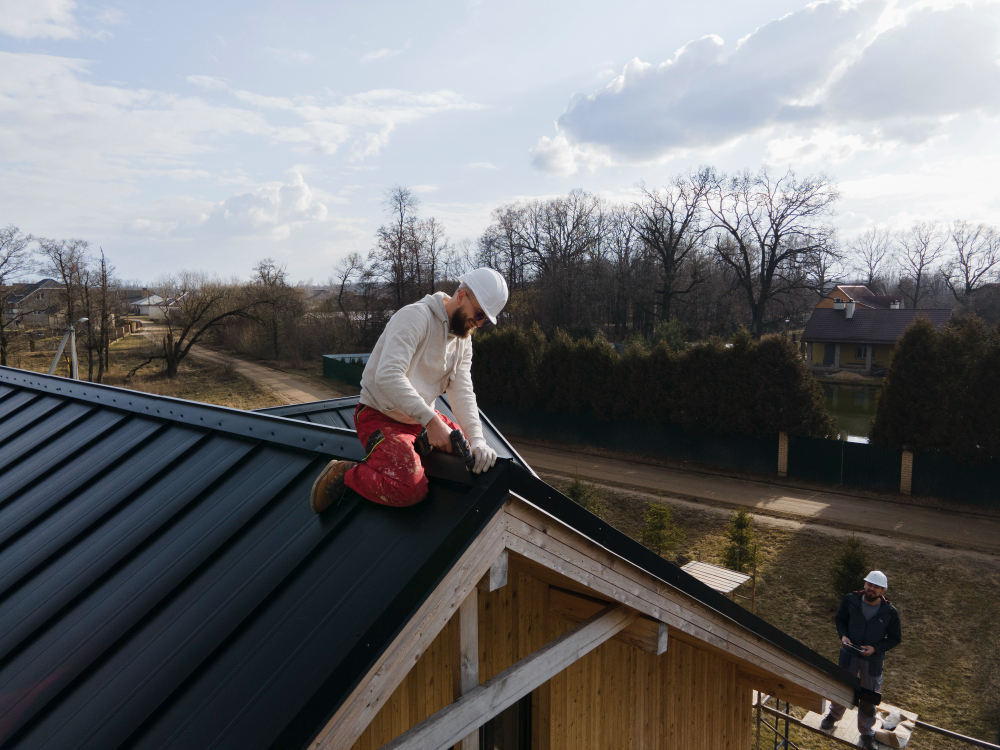
Solar Power Plant Consultant Before Installation | Guide
Investing in a solar power plant is no longer just an environmental decision; it is a long-term financial and operational commitment. Whether the project is a rooftop system for a factory or a large ground-mounted solar plant, success depends heavily on planning, design accuracy, and regulatory compliance.
This is where the role of a solar power plant consultant becomes critical.
Many businesses move directly toward installation without professional consultation, often resulting in design inefficiencies, approval delays, and lower-than-expected energy generation. Engaging a consultant before installation helps ensure the project is technically sound, financially viable, and future-ready.
What Does a Solar Power Plant Consultant Do?
A solar power plant consultant acts as a technical and strategic advisor throughout the early stages of a solar project. Their responsibility is to ensure that the system is designed correctly before a single panel is installed.
Key responsibilities include:
- Site feasibility assessment
- Energy consumption analysis
- Plant capacity optimization
- Solar PV system design
- Equipment specification guidance
- Financial and ROI evaluation
- Regulatory and approval support
This early-stage involvement significantly reduces project risks.
Why Pre-Installation Consultation Is Essential
1. Accurate Feasibility Analysis
Not every site is suitable for the same type or size of solar plant.
A solar power plant consultant evaluates:
- Roof strength and available area
- Land suitability for ground-mounted plants
- Shading impact throughout the year
- Orientation and tilt angles
- Local weather and irradiation data
Without proper feasibility analysis, systems are often oversized or underutilized.
2. Optimized System Design
Professional consultants design plants to maximize energy generation, not just install panels.
They consider:
- DC–AC ratio optimization
- Module string configuration
- Inverter sizing and placement
- Cable routing and voltage drop
- Transformer and HT panel planning
This level of engineering ensures higher generation and better system stability.
3. Improved Return on Investment
Even small design errors can reduce annual generation by 5–15 percent.
A solar power plant consultant helps improve ROI by:
- Increasing energy yield
- Reducing transmission losses
- Avoiding unnecessary equipment costs
- Improving system uptime
Well-designed plants often recover their investment faster and perform consistently over their lifetime.
4. Support with Government Approvals and Compliance
Solar projects involve multiple statutory approvals, including:
- DISCOM permissions
- Net metering approval
- CEIG compliance
- Electrical safety standards
- Local utility documentation
Consultants understand these processes and help prevent costly delays caused by incomplete or incorrect submissions.
5. Correct Technology Selection
Choosing the right technology directly impacts performance and reliability.
A solar power plant consultant helps select:
- Suitable module types (mono PERC, TOPCon, bifacial)
- Central or string inverters
- Mounting structures based on wind and terrain
- Monitoring and SCADA systems
- Protection and safety equipment
This prevents underperformance and premature equipment failure.
6. Avoiding Installation-Stage Errors
Many common solar problems originate during installation due to poor planning, such as:
- Improper cable sizing
- Inverter overloading
- Panel mismatch losses
- Unsafe earthing systems
- Limited maintenance access
Consultant-led designs minimize these issues before execution begins.
7. Long-Term Performance Planning
Solar power plants operate for 25 years or more. A consultant designs systems with long-term performance in mind, including:
- Easy maintenance access
- Future capacity expansion
- Monitoring-based performance tracking
- Degradation control strategies
This ensures consistent generation throughout the plant life.
Consultant vs Installer: Understanding the Difference
Installers focus on execution.
A solar power plant consultant focuses on optimization, accuracy, and risk management.
While installers build the system, consultants ensure the system is worth building.
For medium and large projects, consultant involvement significantly improves project outcomes.
When Is a Solar Power Plant Consultant Most Important?
Consultation is especially critical for:
- Commercial and industrial solar plants
- Rooftop projects above 100 kW
- Ground-mounted solar power plants
- Captive and open-access solar systems
- Projects requiring regulatory approvals
In such cases, professional planning becomes essential, not optional.
How S’unlimited Solar Supports Power Plant Consulting
S’unlimited Solar provides end-to-end solar power plant designing and consultation services, helping businesses make informed and profitable solar investments.
Their consultation approach includes:
- Detailed site analysis
- Customized plant design
- Engineering documentation
- Generation estimation
- Compliance support
- Technical guidance throughout execution
Conclusion
Solar installation is not just about placing panels; it is about designing a power-generating asset that performs efficiently for decades.
Engaging a solar power plant consultant before installation helps eliminate technical uncertainty, improve energy output, streamline approvals, and protect long-term ROI.
For businesses seeking reliable performance and predictable returns, professional solar consultation is the foundation of a successful solar power plant.

Pournima
A content writer at S'unlimited with expertise in solar energy education, producing guides and insights that simplify complex industry concepts for homeowners and businesses.