
5 Signs Your Solar Monitoring System Is Telling You Something’s Wrong
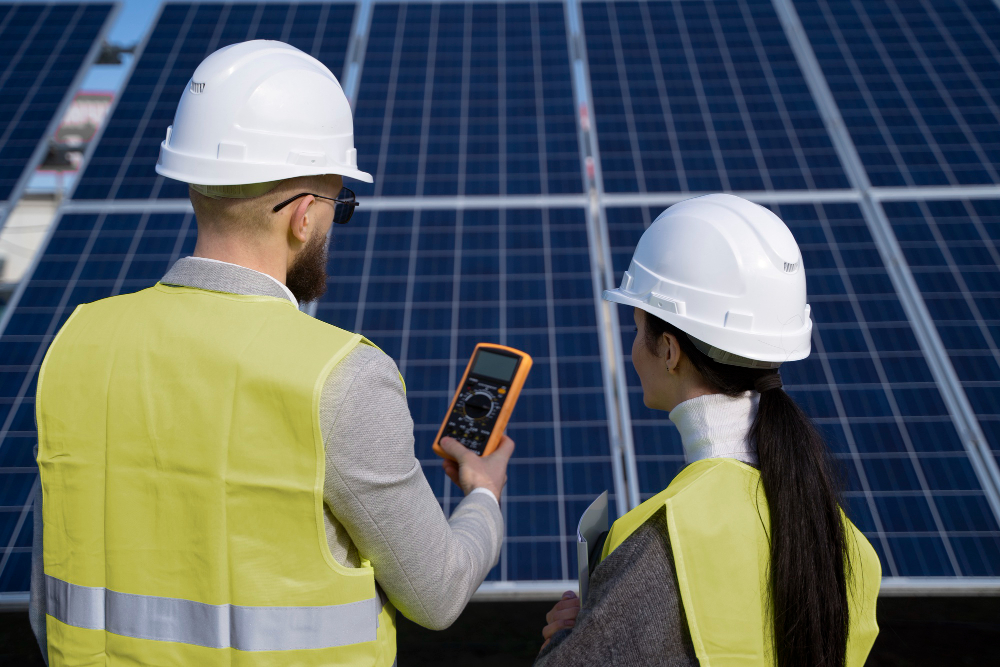
5 Signs Your Solar Monitoring Is Failing You
You installed solar to save money and gain control over your energy bills. But here’s the thing – a solar power plant without a reliable solar energy monitoring system is like driving a car with no dashboard. You won’t know something’s wrong until the bill arrives, and by then, you’ve already lost money.
Most homeowners, businesses, and commercial property owners check their solar app once, feel reassured everything’s “working,” and never look again. That’s exactly how small issues – a dusty panel, a failing inverter, a loose wire – turn into big losses.
The good news? Your monitoring dashboard is almost always trying to tell you something before it becomes a costly repair. You just need to know what to look for.
In this guide, we’ll walk through the five clearest warning signs your solar power tracking system is flashing at you, what they actually mean, and when it’s time to call in an expert.
Quick question: When was the last time you actually opened your solar app and compared today’s output to last month’s? If you can’t remember, this article is for you.
Why Solar Monitoring Matters More Than You Think
A solar system without active monitoring is running blind. You’re trusting that everything works simply because the lights are on. But solar panels, inverters, and wiring degrade, get dirty, or develop faults gradually – and most of that shows up in your data long before it shows up as a visible problem.
A good solar monitoring solutions setup does three things:
- Tracks real-time energy generation
- Compares actual output against expected output
- Alerts you (or your solar provider) when something deviates
If your system isn’t doing all three, you’re not really monitoring – you’re just hoping.
Did You Know? A solar plant that loses just 10% efficiency due to a dust layer or minor fault can go unnoticed for months if no one is actively checking generation data – silently costing you thousands in lost savings.
Sign #1: Your Daily Generation Numbers Keep Dropping
What it looks like: Your dashboard shows a steady, unexplained decline in kWh generated over several days or weeks – not a one-day dip due to clouds, but a consistent downward trend.
What it usually means:
- Dust, bird droppings, or debris accumulation on panels
- Partial shading from new construction, trees, or nearby structures
- Early-stage inverter inefficiency
- Panel degradation faster than the expected 0.5–0.8% per year
What to do:
- Compare today’s generation to the same date last year (seasonal dips are normal; unexplained drops aren’t).
- Check for visible shading or dirt buildup.
- If the drop continues for more than a week without an obvious cause, log it and contact your monitoring provider.
Quick Tip: Set a monthly reminder to review your generation trend graph, not just today’s number. A single day tells you little; a trend tells you everything.
Sign #2: Sudden Zero or Flatline Readings
What it looks like: Your solar energy tracking system shows generation dropping to zero during daylight hours, or the graph flatlines when it should show a curve.
What it usually means:
- Inverter shutdown or fault
- Grid connectivity issue
- Communication failure between the monitoring device and the app (not always a generation problem – sometimes it’s just a reporting glitch)
- A tripped breaker or blown fuse
How to tell the difference: Check your physical inverter display or indicator light. If the inverter itself shows normal operation but the app shows zero, it’s likely a communication issue. If the inverter is also dark or showing an error code, it’s a real fault.
When should you contact a solar expert? Immediately – a flatline during daylight hours is one of the few monitoring signals that should never wait. Every hour of downtime is generation (and money) you don’t get back.
Sign #3: Inconsistent Output Between Panels or Strings
What it looks like: If your solar power monitoring system provides panel-level or string-level data, you notice one section consistently underperforming compared to others under the same sun exposure.
What it usually means:
- A faulty panel or micro-inverter
- Loose or corroded wiring connections at a specific string
- Localized shading (a vent pipe, antenna, or growing tree branch)
- Manufacturing defect in one panel
Real-world example: A commercial rooftop client noticed one string producing 15% less than identical neighboring strings. A site visit revealed a single loose MC4 connector – a 10-minute fix that had been quietly costing them generation for weeks.
Quick Tip: String-level or panel-level monitoring costs a little more upfront but pays for itself the first time it helps you catch a fault before it spreads.
Sign #4: Your Monitoring App Isn’t Matching Your Electricity Bill
What it looks like: The app says you’re generating well, but your electricity bill hasn’t dropped the way you expected – or it’s climbing again after a period of savings.
What it usually means:
- Net metering readings not syncing correctly with your utility
- Increased household or business consumption offsetting your solar savings
- Export/import data mismatch in your solar system monitoring setup
- Billing cycle timing differences between your app and your utility
Ask yourself: Has your electricity consumption pattern changed recently – new equipment, longer working hours, added appliances? Sometimes it’s not the solar system underperforming; it’s demand outpacing supply.
Decision-making checklist – is it a monitoring issue or a usage issue?
- Compare generation data (app) with actual units exported (utility meter)
- Check if consumption has increased in the same period
- Confirm your net metering agreement and billing cycle dates
- Look for a pattern – is the gap growing every month or was it a one-time spike?
If the gap keeps growing month over month, it’s time to get your system audited.
Sign #5: You’re Getting No Alerts At All
What it looks like: Nothing. No notifications, no alerts, no “check your system” messages – ever. It feels reassuring, but it’s often the most dangerous sign of all.
What it usually means:
- Your monitoring system isn’t actually configured to send alerts
- You’re using a passive display-only app instead of an active monitoring solution
- Notification settings were never turned on
- The monitoring hardware itself has stopped communicating with the cloud platform
Why this matters: A truly active solar energy tracker should proactively flag anomalies – not just display numbers you have to interpret yourself. If you’ve never received a single alert in months of operation, your system likely isn’t doing the job you think it is.
Did You Know? Many basic solar setups only offer a display dashboard with no automated alert system. That means the responsibility to catch problems falls entirely on you remembering to check – which is exactly how issues go unnoticed for weeks.
Common Mistakes Homeowners and Businesses Make With Solar Monitoring
- Checking the app once and forgetting about it – monitoring only works if it’s active, not occasional.
- Ignoring small dips because “it’s probably just clouds.”
- Not comparing data year-over-year, so seasonal patterns get mistaken for faults (or real faults get dismissed as seasonal).
- Assuming the installer’s job ends at installation – monitoring and maintenance are ongoing needs.
- Choosing a monitoring system based on price alone, without checking whether it offers panel-level tracking and real-time alerts.
The Real Cost of Ignoring Monitoring Warning Signs
Here’s a simple way to think about ROI. A 10 kW solar system losing even 10% efficiency due to an unnoticed fault could mean roughly 4–5 fewer units generated per day. Over a month, that’s 120–150 units lost – and over a year, it adds up to real money left on the table, plus a longer payback period on your solar investment.
Active monitoring isn’t an optional add-on. It’s what protects the ROI you invested in when you went solar in the first place.
Ask yourself: If your system lost 10% output tomorrow, would you know within a day – or would you find out three months from now when your bill spikes?
How S’unlimited Solar’s Active Monitoring Helps
At S’unlimited Solar, we believe a solar plant is only as good as the visibility you have into it. Our active monitoring solutions are built to catch problems before they cost you money – with:
- Real-time generation tracking, right down to panel and string level
- Automated alerts for underperformance, faults, or communication issues
- Easy-to-read dashboards built for homeowners, businesses, and industrial teams alike
- Expert support that steps in the moment your data flags an issue
You shouldn’t have to become a solar technician just to know your system is healthy. That’s our job.
Frequently Asked Questions
1. What is a solar energy monitoring system? A solar energy monitoring system is a tool (hardware plus software) that tracks how much energy your solar panels generate, how it’s consumed or exported, and flags any performance issues in real time – so you don’t have to guess whether your system is working properly.
2. How often should I check my solar monitoring app? Ideally, glance at it weekly and review the monthly trend graph once a month. Consistent dips or flatlines are easier to catch when you’re comparing patterns over time, not just checking a single day’s number.
3. Why is my solar system generating less than before? Common causes include dust or debris on panels, new shading from trees or nearby structures, inverter issues, loose wiring, or natural panel degradation. A monitoring system with panel-level data helps pinpoint the exact cause faster.
4. Can a monitoring system alone increase my solar savings? Yes – indirectly. It doesn’t generate more power on its own, but it catches efficiency losses early, so you fix problems before they eat into your savings for weeks or months, protecting your overall ROI.
5. What’s the difference between basic display apps and active monitoring solutions? A basic display app just shows numbers – you have to interpret them yourself. An active solar monitoring solutions platform proactively sends alerts, tracks performance at a granular level, and often connects you directly to support when something’s wrong.
6. Is panel-level monitoring worth the extra cost? For most commercial and larger residential systems, yes. It lets you isolate exactly which panel or string is underperforming instead of guessing across your entire array, which saves diagnostic time and money in the long run.
7. My app shows zero generation – is my system broken? Not always. First check your physical inverter for error codes or indicator lights. Sometimes it’s a communication glitch between the monitoring device and the app rather than an actual generation fault – but if the inverter itself shows an error, contact a solar expert right away.
8. Does S’unlimited Solar offer monitoring for existing solar systems, not just new installations? Yes, S’unlimited Solar’s active monitoring solutions can be integrated with many existing residential, commercial, and industrial solar setups – reach out to our team to check compatibility with your current system.
Conclusion
Your solar system works hard every day – the least it deserves is someone (or something) watching over it just as consistently. A reliable solar energy monitoring system doesn’t just show you numbers; it protects the investment you made and makes sure every unit of sunlight is actually turning into savings.
If any of the five signs above sound familiar – dropping output, flatline readings, mismatched panels, billing surprises, or total silence from your app – don’t wait for a bigger problem to show up on your electricity bill.
Ready to see what your solar data is really telling you? Request a free site survey or consultation with S’unlimited Solar’s active monitoring experts, and get a clear, honest picture of how your system is really performing.
Pournima
A content writer at S'unlimited with expertise in solar energy education, producing guides and insights that simplify complex industry concepts for homeowners and businesses.