
Step-by-Step Process of Photovoltaic Solar Panel Installation (2026 Guide)
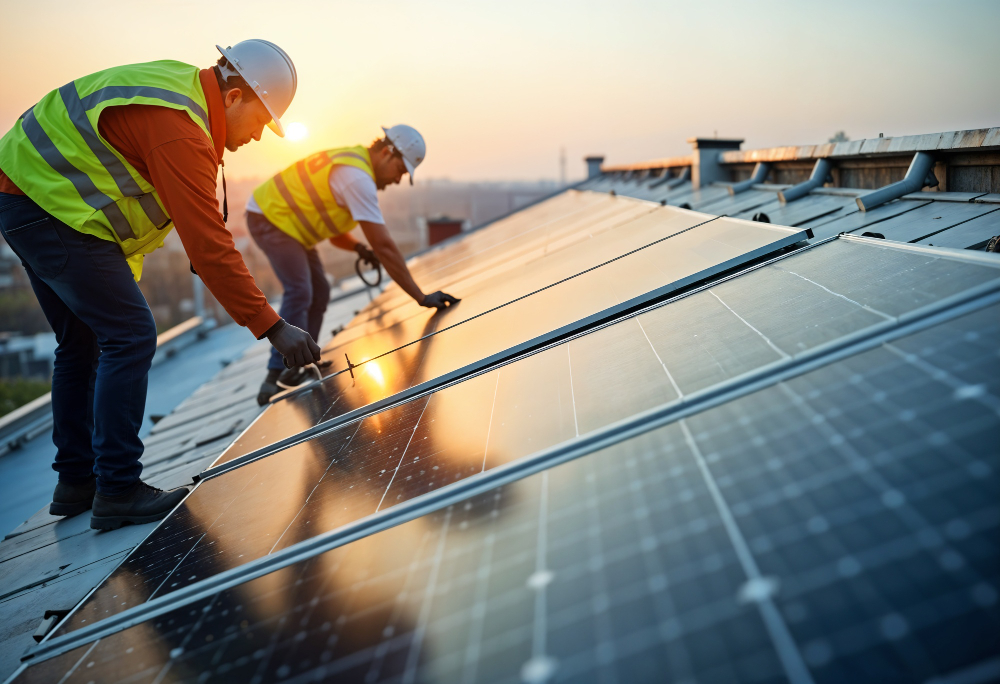
Photovoltaic Solar Panel Installation Process (2026 Guide)
Switching to solar in 2026 isn’t just about cutting electricity bills; it is about future-proofing your home or business against rising energy demand and grid uncertainty. But many people still ask the same question: What actually happens during photovoltaic solar panel installation?
If you are planning a rooftop or commercial solar project, this guide walks you through the complete step-by-step process of photovoltaic solar panel installation, so you know exactly what to expect, from the first site visit to the moment your system starts generating power.
Step 1: Site Survey & Energy Assessment
Every successful photovoltaic solar panel installation starts with a detailed site survey. This step ensures your building is truly solar-ready.
During the assessment, experts evaluate:
- Roof direction and tilt
- Structural strength
- Shading from nearby buildings or trees
- Available installation area
- Current electricity consumption
This stage helps design the right photovoltaic solar system size for your actual energy needs, so you don’t overspend or under-install.
Step 2: Custom System Design
Once the site survey is complete, your system is designed to maximize solar output based on your location and consumption pattern.
A proper solar PV system installation plan includes:
- Panel layout and orientation
- Inverter selection
- Electrical load calculation
- Mounting structure design
- Future expansion capability
This step ensures your photovoltaic solar panel setup delivers optimal performance throughout the year, not just during peak summer months.
Step 3: Approvals, Documentation & Permissions
In 2026, solar regulations and grid interconnection processes are more streamlined, but approvals are still a crucial step.
This stage usually involves:
- Local authority permissions (if required)
- Utility approvals for grid connection
- Safety compliance documentation
- Net metering or export agreements (where applicable)
Professional installers handle this paperwork so your photovoltaic solar panel installation moves forward without delays or compliance risks.
Step 4: Mounting Structure Installation
With approvals in place, physical installation begins.
The mounting structure is fixed to your roof or ground foundation and is designed to:
- Withstand wind and weather conditions
- Maintain the correct tilt angle
- Protect roof integrity
- Ensure long-term system stability
A strong foundation ensures your photovoltaic solar panel system remains secure and performs efficiently for decades.
Step 5: Solar PV Module Installation
Next comes the placement of the solar panels (PV modules).
Each photovoltaic solar panel is carefully mounted on the structure and aligned to capture maximum sunlight.
This stage focuses on:
- Proper spacing between panels
- Secure fastening
- Clean cable routing
- Safety grounding
Many customers researching solar PV module prices often focus only on panel cost, but installation quality is what determines long-term performance and reliability.
Step 6: Inverter, Wiring & Electrical Integration
Your panels generate DC electricity, but your home or business uses AC power. That’s where the inverter comes in.
This step includes:
- Installing the inverter system
- Connecting DC and AC wiring
- Integrating with your main electrical panel
- Installing safety switches and protections
Proper electrical integration ensures your photovoltaic solar system runs efficiently and safely under real-world conditions.
Step 7: Testing, Inspection & Commissioning
Before switching the system on, every professional photovoltaic solar panel installation goes through rigorous testing.
Technicians verify:
- Panel output
- Inverter performance
- Electrical safety
- Grid synchronization
- Monitoring system connectivity
Only after passing these checks is your system officially commissioned and ready to generate power.
Step 8: Monitoring Setup & User Training
In 2026, solar systems are smarter than ever. Most modern setups include monitoring tools that let you track energy generation in real time.
You’ll be shown how to:
- Monitor daily and monthly output
- Identify performance issues
- Track long-term energy savings
- Understand system alerts
This empowers you to get the most out of your photovoltaic solar panel installation long after the installers leave.
Step 9: Maintenance Planning for Long-Term Performance
Solar systems are low-maintenance, but not zero-maintenance. A good installer provides guidance on:
- Panel cleaning schedules
- Annual system health checks
- Inverter maintenance
- Performance optimization
Routine care ensures your solar PV system installation continues delivering high performance year after year.
Why Choose S’unlimited Solar for Photovoltaic Solar Panel Installation?
At S’unlimited Solar, photovoltaic solar panel installation isn’t treated as a one-size-fits-all service. Each project is engineered around:
- Your building type
- Your energy goals
- Your long-term expansion plans
- Your return-on-investment expectations
From planning and permissions to commissioning and after-sales support, their team handles the entire photovoltaic solar system lifecycle, so you can go solar with confidence.
Conclusion
A well-executed photovoltaic solar panel installation is not just about installing panels; it’s about creating a reliable energy system that performs for decades. In 2026, choosing the right process and the right installation partner makes the difference between average results and exceptional long-term returns.
If you’re considering solar this year, understanding the installation process helps you make smarter decisions, and avoid costly mistakes.

Pournima
A content writer at S'unlimited with expertise in solar energy education, producing guides and insights that simplify complex industry concepts for homeowners and businesses.