
What Affects the Performance of Photovoltaic Solar Panel Installation on Rooftops?
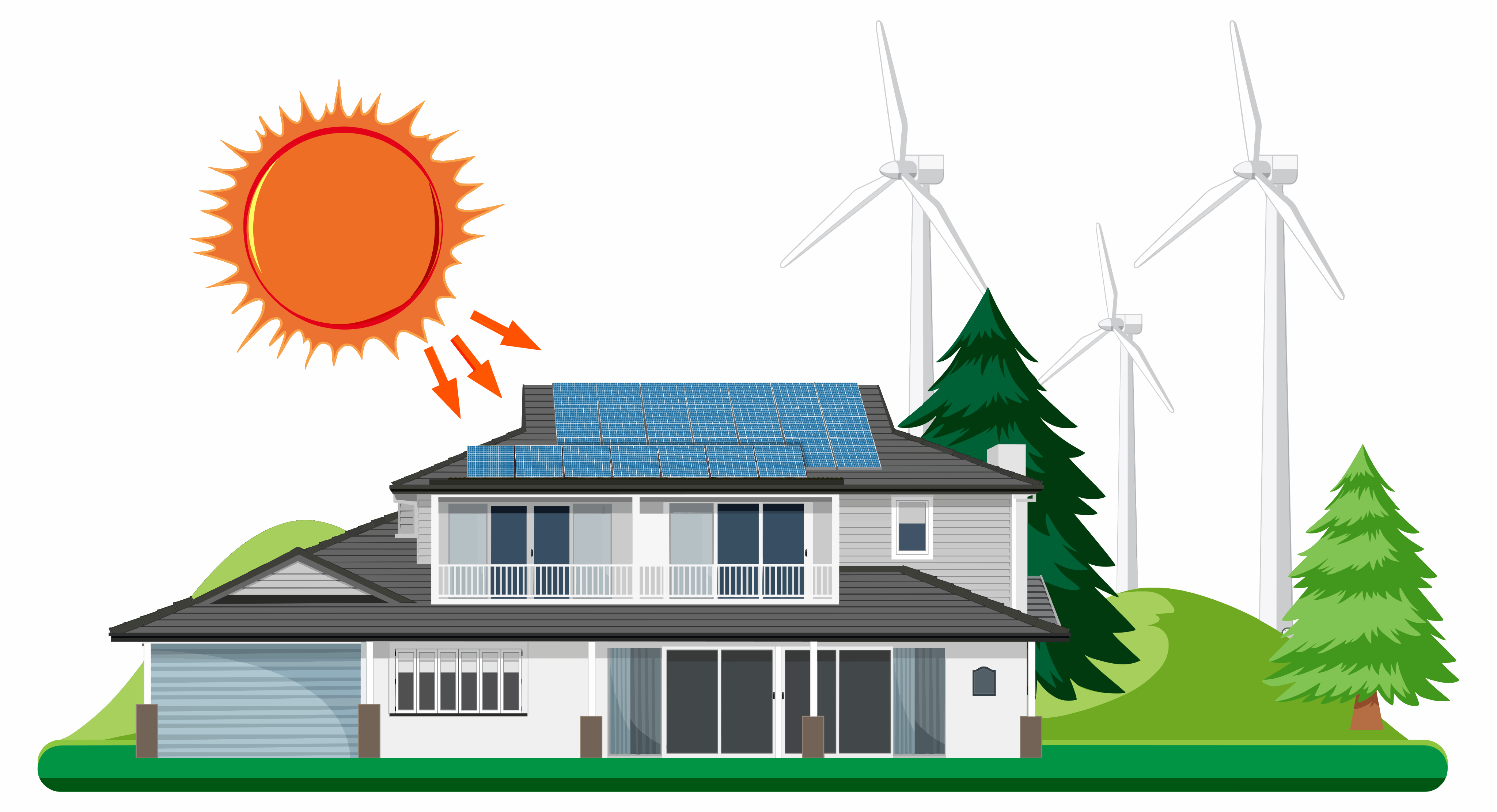
Photovoltaic Solar Panel Installation: Performance Factors
With rising electricity costs and a rapidly growing emphasis on clean energy, more Indian homeowners and businesses are turning to Photovoltaic Solar Panel Installation as a long-term investment. But while solar energy promises reduced bills and a smaller carbon footprint, not all installations deliver the same performance.
Understanding the factors that influence the success of a rooftop solar system is vital before going solar. This blog explores the key elements that impact the performance of rooftop solar PV system installations, helping you make informed decisions for efficiency, reliability, and long-term savings.
1. Location & Solar Radiation
The most fundamental determinant of a solar system’s performance is where the panels are installed. Rooftop orientation and exposure directly affect how much sunlight reaches your photovoltaic solar system.
Panels facing south with minimal shade receive optimal sun exposure throughout the day, maximizing energy production. On the other hand, rooftops shaded by trees, neighboring buildings, or chimneys will generate significantly less power.
Before installation, a proper site assessment of sun-path and shading pattern ensures your photovoltaic solar panel installation delivers peak performance year-round.
2. Quality of the Solar PV Modules
Not all panels are created equal. The choice of photovoltaic solar panel significantly impacts energy output and durability. High-quality modules maintain performance better over time, while cheaper panels may degrade faster and deliver lower efficiency.
When comparing options:
- Look at panel efficiency ratings
- Check for industry certifications
- Evaluate durability under harsh weather conditions
Also, stay updated with solar PV module prices, investing slightly more in better-performing modules often pays off in long-term energy savings and reliability.
3. Installation Angle and Roof Geometry
Solar panels are most effective when tilted to the correct angle, aligned with the latitude and seasonal sun path. For fixed rooftop installations, an optimized tilt angle ensures maximum solar irradiation throughout the year.
Roof slope, shape, and direction matter. Having a professional installer evaluate your roof geometry helps determine the best layout and tilt for your solar PV system installation.
4. Temperature and Environmental Conditions
Paradoxically, high temperatures can reduce solar panel performance. Most photovoltaic systems are rated at standard test conditions, but in real-world hot climate environments, such as many parts of India, heat raises panel temperature and slightly lowers electrical output.
Dust, humidity, and pollution also affect performance. Regular cleaning and maintenance are essential in dusty regions to keep panels operating close to their rated capacity.
5. Quality of Installation and Components
A rooftop solar system is only as good as its installation. Poor wiring, substandard mounting structures, mismatched inverter sizing, and incorrect grounding can all reduce energy output or even create safety hazards.
Expert installers will:
- Properly size your solar array
- Ensure correct electrical connections
- Use quality mounting systems
- Configure inverters and balance-of-system components
Professional solar PV system installation ensures that all components work in harmony for consistent and efficient performance.
6. Inverter Performance and System Balance
The inverter, which converts DC power from the panels into usable AC electricity, plays a pivotal role in system performance. A high-quality inverter minimizes energy loss, improves efficiency, and can enable smart monitoring of system performance.
Even if your photovoltaic solar panel installation uses premium modules, a subpar inverter will bottleneck performance.
Modern inverters often come with monitoring features, allowing you to track system output and quickly identify any performance issues.
7. Maintenance and Monitoring
Installing your solar system is only half the journey. Regular maintenance keeps it operating efficiently:
- Cleaning panels to remove dust and debris
- Inspecting for loose connections or damage
- Monitoring output trends
With a robust monitoring system, you can spot performance drops early and take corrective action, preventing energy loss and costly repairs.
Conclusion
A successful Photovoltaic Solar Panel Installation is about more than buying panels and placing them on a roof. Site conditions, panel quality, installation expertise, component selection, and ongoing maintenance all shape the performance and longevity of your solar system.
When you work with experienced professionals like the team at S’unlimited Solar, you get a custom-designed system that accounts for all these elements, from rooftop assessment to the final installation.
Ready for a sophisticated PV system installation that excels in performance and delivers long-term savings?
Pournima
A content writer at S'unlimited with expertise in solar energy education, producing guides and insights that simplify complex industry concepts for homeowners and businesses.