
Commercial Solar Panel Installation: Financing, Leasing & Loan Options in 2026
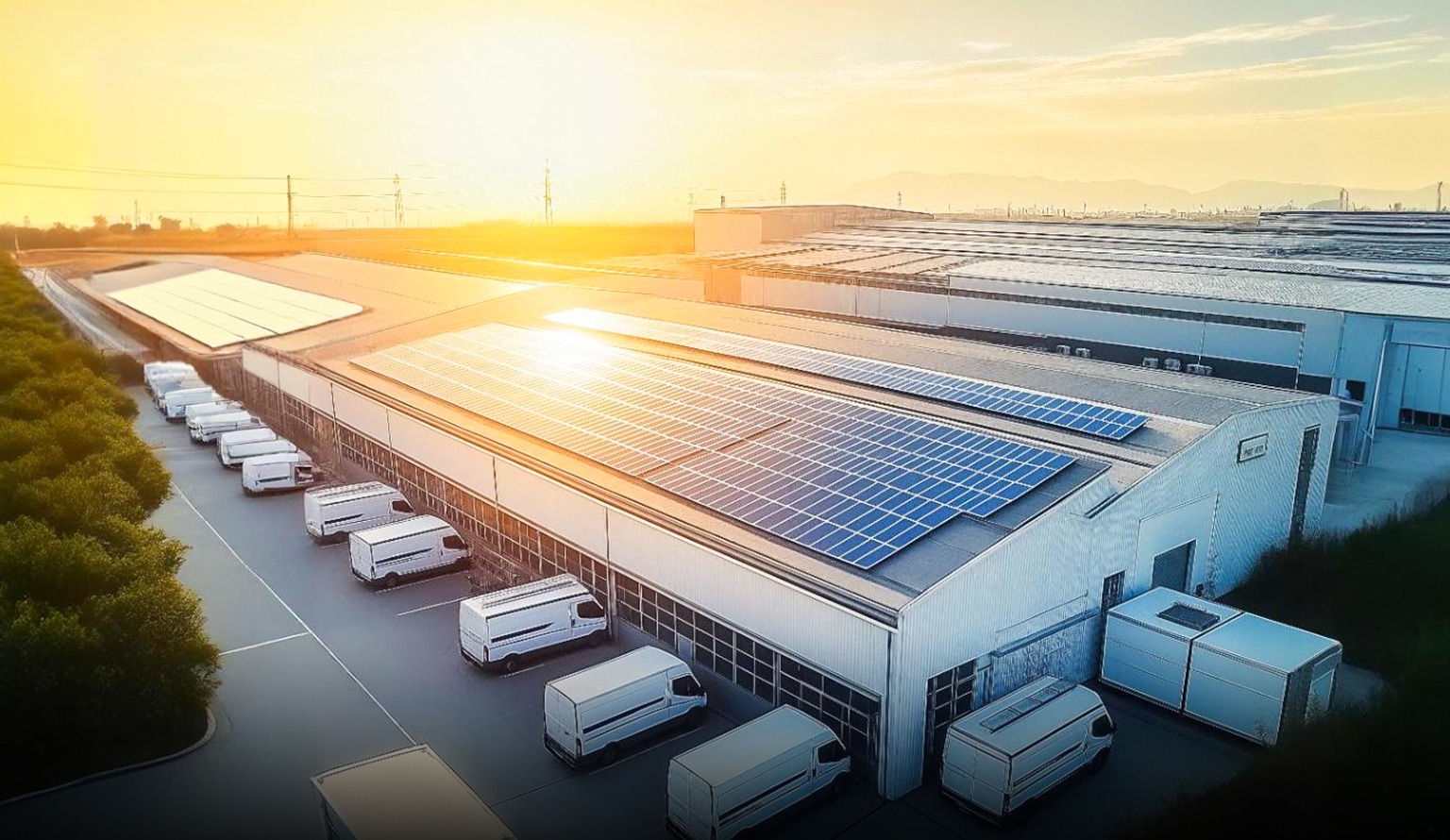
Solar Panel for Commercial Use: Financing Options 2026
One question stops more businesses from going solar than any technical concern: “How do we actually pay for this?” If you’re considering a solar panel for commercial use, the good news is that upfront cash payment is no longer the only option – financing, leasing, and loan structures have matured significantly, making commercial solar accessible without straining working capital.
The challenge is that most businesses aren’t sure which funding route actually fits their situation. Should you take a loan and own the asset? Lease it and avoid upfront cost entirely? Or explore a power purchase model instead?
This blog breaks down each option in plain terms – costs, trade-offs, and which businesses each model tends to suit best – so you can make a confident, financially sound decision for 2026.
Quick Answer: What Are Your Financing Options for Commercial Solar?
Businesses in 2026 typically have four main routes to fund a commercial rooftop solar installation:
- Full upfront payment – maximum long-term savings, no financing cost
- Solar loans – spread the cost over time while owning the asset
- Solar leasing – use the system without owning it, fixed periodic payments
- Power Purchase Agreements (PPA) – pay only for the power generated, with a third party owning the system
Quick Tip: The “best” option isn’t universal – it depends on your available capital, tax position, and how long you plan to occupy or own the property.
Why Financing Matters More for Commercial Solar Than Residential
Commercial and industrial solar panel installation projects are typically much larger in scale than residential ones – often ranging from tens of kW to several MW. That scale brings real financial advantages (better per-unit costs, stronger ROI), but it also means the upfront investment is significantly higher.
Did You Know? For many businesses, the electricity bill is one of the largest recurring operating expenses after rent and payroll. This is exactly why the financing structure you choose can meaningfully affect your monthly cash flow, not just your long-term savings.
Ask yourself: What does your business currently spend monthly on electricity – and how would that number change if 40–70% of it disappeared, depending on your system size and consumption pattern?
Option 1: Full Upfront Payment
This is the simplest and most financially rewarding path, if your business has the available capital.
Pros:
- No interest or financing costs
- Maximum long-term ROI
- Full ownership from day one, including depreciation benefits
- No third-party dependency for system operation
Cons:
- Requires significant upfront capital
- Ties up funds that could be used elsewhere in the business
Best suited for: Established businesses with strong cash reserves who want maximum long-term financial benefit and don’t mind the upfront capital commitment.
Option 2: Solar Loans
Solar loans let you spread the cost of your commercial solar energy solutions over a fixed period, while still owning the system from day one.
Pros:
- Preserves working capital for core business operations
- You retain full ownership and depreciation benefits
- Loan tenure can often be aligned with expected payback period
- Monthly loan payments are frequently lower than your previous electricity bill savings, meaning positive cash flow even during the loan term
Cons:
- Interest costs slightly reduce overall savings compared to upfront payment
- Requires credit eligibility and documentation
Real-world example:
A mid-sized manufacturing unit takes a solar loan for a 50kW industrial rooftop solar power plant. Their monthly loan EMI works out to be lower than their average monthly electricity savings from the system – meaning the business starts seeing net positive cash flow almost immediately, while fully owning the asset once the loan is repaid.
Option 3: Solar Leasing
Leasing allows a business to use a solar system without owning it, paying a fixed periodic fee instead.
Pros:
- Little to no upfront cost
- Predictable fixed payments, easier for budgeting
- Maintenance is often included in the lease agreement
- No large capital outlay required
Cons:
- No ownership, meaning no depreciation tax benefits
- Total cost over the lease term is often higher than ownership models
- Less flexibility if you want to modify or expand the system later
Best suited for: Businesses that prefer predictable operating expenses over capital investment, or those unsure about long-term occupancy of the property.
Option 4: Power Purchase Agreements (PPA)
Under a PPA, a third-party developer installs, owns, and maintains the solar system on your property (or an offsite location), and you simply pay for the electricity generated – usually at a rate lower than your current grid tariff.
Pros:
- Zero upfront investment
- Immediate savings from day one, without financing or ownership responsibilities
- Maintenance and performance risk sit with the developer, not your business
Cons:
- Long-term contracts (often 15–25 years)
- Savings are generally lower compared to owning the system outright
- Less control over system specifications and future modifications
Best suited for: Large industrial or commercial operations exploring commercial rooftop solar solutions without wanting to manage ownership, financing, or maintenance directly.
Comparison Table: Financing Options at a Glance
| Option | Upfront Cost | Ownership | Long-Term Savings | Best For |
| Full Payment | High | Yes | Highest | Businesses with strong cash reserves |
| Solar Loan | Low to moderate | Yes | High | Businesses wanting ownership without full upfront cost |
| Leasing | Minimal | No | Moderate | Businesses preferring predictable operating costs |
| PPA | None | No (third-party owned) | Lower than ownership, but immediate | Large industrial sites avoiding capital investment |
Quick Tip: If ownership and depreciation benefits matter to your business’s tax strategy, loans generally outperform leasing and PPA in total long-term value – even though the upfront commitment is higher.
Common Mistakes Businesses Make When Financing Solar
- Choosing leasing or PPA purely to avoid paperwork, without comparing long-term cost differences against ownership models.
- Not accounting for depreciation benefits when comparing loan vs lease vs PPA – this significantly affects real cost comparisons for tax-paying businesses.
- Underestimating system size needed, leading to financing a system that doesn’t fully offset consumption.
- Ignoring maintenance responsibilities in loan/ownership models, assuming it’s “set and forget.”
- Signing long-term PPA contracts without reviewing future property or business plans, since these agreements often run 15-25 years.
- Not getting a clear ROI comparison across all four financing options before deciding.
Checklist: Choosing the Right Financing Option for Your Business
Before finalizing your financing route, check:
- Have you compared your current average electricity bill against expected savings for each option?
- Do you know your business’s tax position and whether depreciation benefits are relevant?
- Have you confirmed your property ownership status and long-term occupancy plans?
- Has your installer explained maintenance responsibilities for each financing model?
- Have you reviewed total cost over the full term, not just monthly payments?
- Does the installer have experience specifically with commercial and industrial-scale projects?
ROI Insight: Why the Right Financing Model Matters
The financing model you choose doesn’t just affect monthly cash flow – it significantly impacts your total return over the system’s lifespan. A solar loan or upfront payment for a solar panel for commercial use typically delivers stronger long-term ROI than leasing or PPA, since ownership captures full electricity savings and depreciation benefits.
However, if immediate cash flow preservation is your priority, a PPA or lease can still deliver meaningful savings from day one – just at a lower overall long-term return compared to ownership.
Quick Tip: Ask your installer to show a 25-year cost projection for each financing option side by side. This single comparison often makes the right choice obvious.
When Should You Contact a Solar Expert?
Reach out to a solar consultant if:
- You’re unsure which financing model fits your business’s cash flow and tax situation.
- You want a clear, numbers-based comparison across loan, lease, and PPA options.
- You’re planning a large industrial rooftop solar power plant and need help evaluating financing at scale.
- You want to understand how depreciation benefits factor into your real cost comparison.
- You’re evaluating multiple properties or sites and need a financing strategy that scales.
A detailed consultation can help you avoid an expensive financing mistake and choose the option that truly aligns with your business goals.
FAQs
1. What is the best financing option for a solar panel for commercial use? It depends on your business’s available capital and tax position. Full payment or solar loans typically offer the highest long-term ROI, while leasing and PPA suit businesses prioritizing zero or minimal upfront investment.
2. Can businesses claim tax benefits on commercial solar installations? Yes, businesses that own their solar system (through full payment or loan financing) can typically claim accelerated depreciation benefits, which leasing and PPA models don’t offer since ownership sits with a third party.
3. How long do commercial solar loans typically run? Loan tenures vary by lender and system size, but are often structured to align with the expected payback period of the installation, commonly in the range of a few years.
4. Is a Power Purchase Agreement (PPA) a good option for industrial solar? PPAs work well for large industrial sites wanting immediate savings without ownership, financing, or maintenance responsibilities, though total long-term savings are generally lower compared to owning the system.
5. Does leasing include maintenance for commercial rooftop solar installation? Most leasing agreements include maintenance as part of the fixed periodic payment, but it’s important to confirm exact terms with your provider before signing.
6. How much can a business save with commercial solar energy solutions? Savings depend on system size, current electricity consumption, and financing model, but many businesses see 40-70% reduction in electricity costs depending on how well the system is sized to their usage.
7. What size system is typical for an industrial rooftop solar power plant? Industrial systems vary widely, from tens of kW for smaller facilities to several MW for large manufacturing units, depending on available roof space and energy consumption.
8. Which financing option requires the least paperwork? PPAs and leasing generally require less documentation since ownership and financing sit with a third party, while loans require standard credit and business documentation similar to other commercial financing.
Conclusion
Choosing how to finance a solar panel for commercial use is just as important as choosing the right system size or installer. Full payment and solar loans typically deliver the strongest long-term returns through ownership and depreciation benefits, while leasing and PPA models offer immediate savings with minimal upfront investment – a genuine trade-off depending on your business’s priorities.
The right choice isn’t about which model sounds simplest – it’s about which one aligns with your cash flow, tax strategy, and long-term business plans.
Ready to Explore the Right Financing Option for Your Business?
S’unlimited Solar helps businesses and industries compare loan, lease, and PPA options with a clear, numbers-based breakdown tailored to your actual consumption and financial goals.
Request your free consultation and site survey today →
Get complete clarity on costs, savings, and the smartest financing path forward – with zero obligation.

Pournima
A content writer at S'unlimited with expertise in solar energy education, producing guides and insights that simplify complex industry concepts for homeowners and businesses.