
Professional Solar Installation Company vs DIY Solar Kits: What’s Right for You?
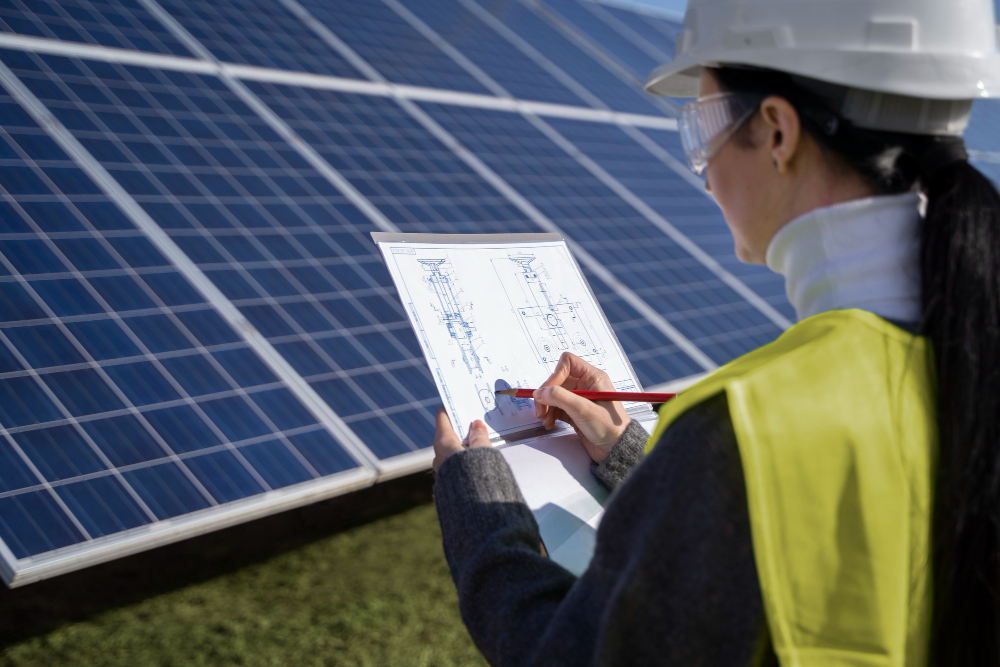
Solar Installation Company in Pune vs DIY Solar Kits
Scroll through enough solar forums and marketplaces, and you’ll eventually stumble on DIY solar kits promising a cheaper, faster way to go solar – no installer needed. It’s tempting, especially if you’re comfortable with basic electrical work and want to save on labour costs. But before you order one, it’s worth asking a simple question: does a DIY kit actually save you money in India, or does working with a professional solar installation company in Pune deliver better long-term value, safety, and savings?
In this blog, we’ll compare both honestly – real costs, real risks, and which option genuinely makes sense depending on your situation, property type, and long-term goals.
Quick Answer: DIY Solar Kits or Professional Installation?
For most homeowners and virtually all businesses in India, working with a professional solar company in Pune is the more practical and financially sound choice – primarily because:
- Subsidy eligibility requires installation by an empanelled installer, which DIY kits typically don’t qualify for
- Net metering approval needs professional documentation and DISCOM coordination
- Warranty and safety compliance are harder to guarantee with self-installation
- Long-term performance and monitoring support are usually missing from DIY setups
Quick Tip: DIY kits can work for very small, off-grid applications (like powering a single appliance), but for a proper rooftop system connected to your home or business grid, professional installation is almost always the safer and more cost-effective route.
What Exactly Is a DIY Solar Kit?
DIY solar kits are pre-packaged sets typically including panels, a basic inverter, mounting hardware, and wiring – designed for self-installation without professional help.
They’re marketed as a way to:
- Reduce installation labour costs
- Skip the process of hiring an installer
- Get a system running faster, without waiting for scheduling
Did You Know? Most DIY solar kits sold online are designed for basic off-grid use – like charging batteries or running small appliances – not for full home or business grid-connected systems that require regulatory approval and subsidy eligibility.
Cost Comparison: DIY Kit vs Professional Installation
| Factor | DIY Solar Kit | Professional Solar Installation in Pune |
| Upfront equipment cost | Often lower | Slightly higher, but includes labour and compliance |
| Subsidy eligibility | Usually not eligible | Eligible, if installer is empanelled |
| Net metering & grid connection | Difficult to arrange independently | Handled as part of installation |
| Installation quality assurance | Depends entirely on self-installation skill | Professionally certified and tested |
| Warranty coverage | Often limited or voided by self-installation | Full manufacturer + workmanship warranty |
| Ongoing support/monitoring | Rarely included | Usually included or available as add-on |
| Real-world usability for full home/business power | Limited | Designed for complete grid-tied systems |
Ask yourself: Is your goal to power your entire home or business reliably and legally connect to the grid – or just to run a few small appliances independently? Your answer determines which option actually fits your needs.
Why Subsidy Eligibility Is a Major DIY Dealbreaker
This is one of the most overlooked issues with DIY solar kits in India.
- Government solar subsidy schemes require installation by an empanelled installer registered under proper solar panel licensing.
- DIY installations, by definition, don’t go through an empanelled vendor – meaning you lose subsidy eligibility entirely.
- For many homeowners, subsidy alone can make the difference between a 4-5 year payback period and a significantly longer one.
Quick Tip: Before choosing a DIY kit to “save money,” calculate what you’d lose in subsidy eligibility. In most cases, this gap alone erases any upfront savings from skipping professional installation.
Safety & Compliance Risks With DIY Installation
Solar installation isn’t just about mounting panels – it involves electrical work that carries real safety risks if done incorrectly.
- Incorrect wiring can cause electrical faults or fire hazards.
- Improper grounding/earthing increases risk during lightning or electrical surges.
- Structural mounting errors can lead to panel damage or roof damage during heavy wind or rain.
- Non-compliance with DISCOM safety standards can result in your system being disconnected or rejected during inspection.
Did You Know? Many home insurance policies and property warranties may not cover damage resulting from unauthorized electrical modifications, which can include improperly installed solar systems.
Where Professional Installation Clearly Wins
A qualified solar energy company in Pune brings several advantages that DIY kits simply can’t replicate:
- Site assessment – proper evaluation of roof strength, shading, and orientation before installation
- Accurate system sizing – based on your actual consumption, not a generic kit size
- Subsidy and net metering handling – end-to-end documentation and DISCOM coordination
- Certified installation – compliant wiring, grounding, and mounting
- Warranty protection – both equipment and workmanship warranties remain valid
- After-sales support – maintenance, troubleshooting, and monitoring assistance
Real-world example: A homeowner in Pune initially considered a DIY kit to save on installation costs. After comparing the loss of subsidy eligibility, lack of net metering support, and warranty risk, they instead worked with a professional solar panel installation in Pune provider – and received subsidy support that brought their effective cost below what the “cheaper” DIY kit would have cost after accounting for lost benefits.
When Might a DIY Kit Actually Make Sense?
To be fair, DIY kits aren’t inherently bad – they just serve a different purpose:
- Small off-grid setups (like powering a garden light or basic appliance)
- Temporary or portable power needs (camping, remote sheds)
- Hobbyist projects where grid connection and subsidy aren’t relevant goals
If your goal is genuinely just supplemental, off-grid power for a specific small use case, a DIY kit can be a reasonable, low-stakes option.
Common Mistakes People Make When Considering DIY Solar
- Assuming DIY always means cheaper without factoring in lost subsidy eligibility.
- Underestimating the complexity of grid-tied installation and net metering.
- Ignoring safety compliance requirements, risking both damage and voided insurance coverage.
- Not checking warranty terms, which are often voided by self-installation.
- Choosing DIY for a full home/business system when the kit is actually designed for small off-grid use.
Checklist: How to Decide What’s Right for You
- Do you need a full grid-connected system, or just small off-grid power?
- Is government subsidy eligibility important to your overall budget?
- Are you comfortable with the electrical safety risks of self-installation?
- Do you want warranty protection on both equipment and workmanship?
- Will you need ongoing monitoring or maintenance support down the line?
- Have you compared the true cost of DIY (after subsidy loss) against professional installation?
ROI Insight: The Real Cost Difference
When you factor in lost subsidy eligibility, potential safety risks, voided warranties, and the absence of professional monitoring support, DIY solar kits often end up costing more in the long run for a full grid-tied residential or commercial system – even though the sticker price looks lower upfront.
Quick Tip: Always calculate cost on a “total cost of ownership” basis – including subsidy, warranty protection, and expected system lifespan – rather than just comparing upfront equipment prices.
When Should You Contact a Solar Expert?
Reach out to a professional installer if:
- You want your system to qualify for government subsidy support.
- You need your solar system properly connected to the grid via net metering.
- You want warranty protection on both equipment and installation work.
- You’re unsure whether your roof, wiring, or electrical setup is suitable for solar.
- You want ongoing monitoring and maintenance support after installation.
A quick conversation with a professional can help you avoid the hidden costs and risks that often come with DIY installation.
FAQs
1. Are DIY solar kits eligible for government subsidy in India?
No, generally not. Subsidy schemes require installation by an empanelled installer, which self-installed DIY kits don’t qualify for.
2. Is it cheaper to install solar panels myself instead of hiring a professional installer?
Not usually, once you factor in lost subsidy eligibility, warranty risk, and lack of net metering support. Professional installation often works out more cost-effective overall.
3. Can I connect a DIY solar kit to my home’s electricity grid?
Grid connection through net metering typically requires professional documentation and DISCOM coordination, which most DIY kits aren’t designed or approved for.
4. What are the safety risks of installing solar panels myself?
Incorrect wiring, improper grounding, and non-compliant mounting can lead to electrical hazards, structural damage, and potential insurance coverage issues.
5. Do DIY solar kits come with warranty protection?
Warranty coverage is often limited or voided when equipment is self-installed rather than installed by a certified professional installer.
6. When does a DIY solar kit make sense?
DIY kits are generally suitable for small, off-grid needs, like powering a single appliance, rather than full home or business grid-connected systems.
7. How do I find a reliable solar installation company in Pune?
Look for empanelment status, transparent itemized quotes, verifiable past projects, and clear warranty terms before choosing a solar company in Pune.
8. Does professional solar installation include ongoing maintenance support?
Many professional installers, including established solar energy companies in Pune, offer monitoring and maintenance support as part of or alongside the installation package.
Conclusion
While DIY solar kits might look appealing on price alone, they typically fall short for anyone wanting a genuine, grid-connected solar system – especially once subsidy eligibility, safety compliance, and warranty protection enter the picture. For most homeowners, businesses, and industries, working with an established solar installation company in Pune delivers better long-term value, safety, and peace of mind.
The real question isn’t “DIY or professional?” – it’s “what does my actual power need require, and which option genuinely protects my investment?”
Ready for a Professional, Subsidy-Eligible Solar Installation?
S’unlimited Solar handles everything from site assessment to subsidy documentation and net metering, so you get a safe, compliant, and properly performing solar system – without the risks of DIY.
Request your free site survey and personalized quotation today →
Get complete clarity on cost, safety, and long-term savings – with zero obligation.

Pournima
A content writer at S'unlimited with expertise in solar energy education, producing guides and insights that simplify complex industry concepts for homeowners and businesses.