
Industrial Solar Installation in Maharashtra: What Factories Need to Know Before Going Solar
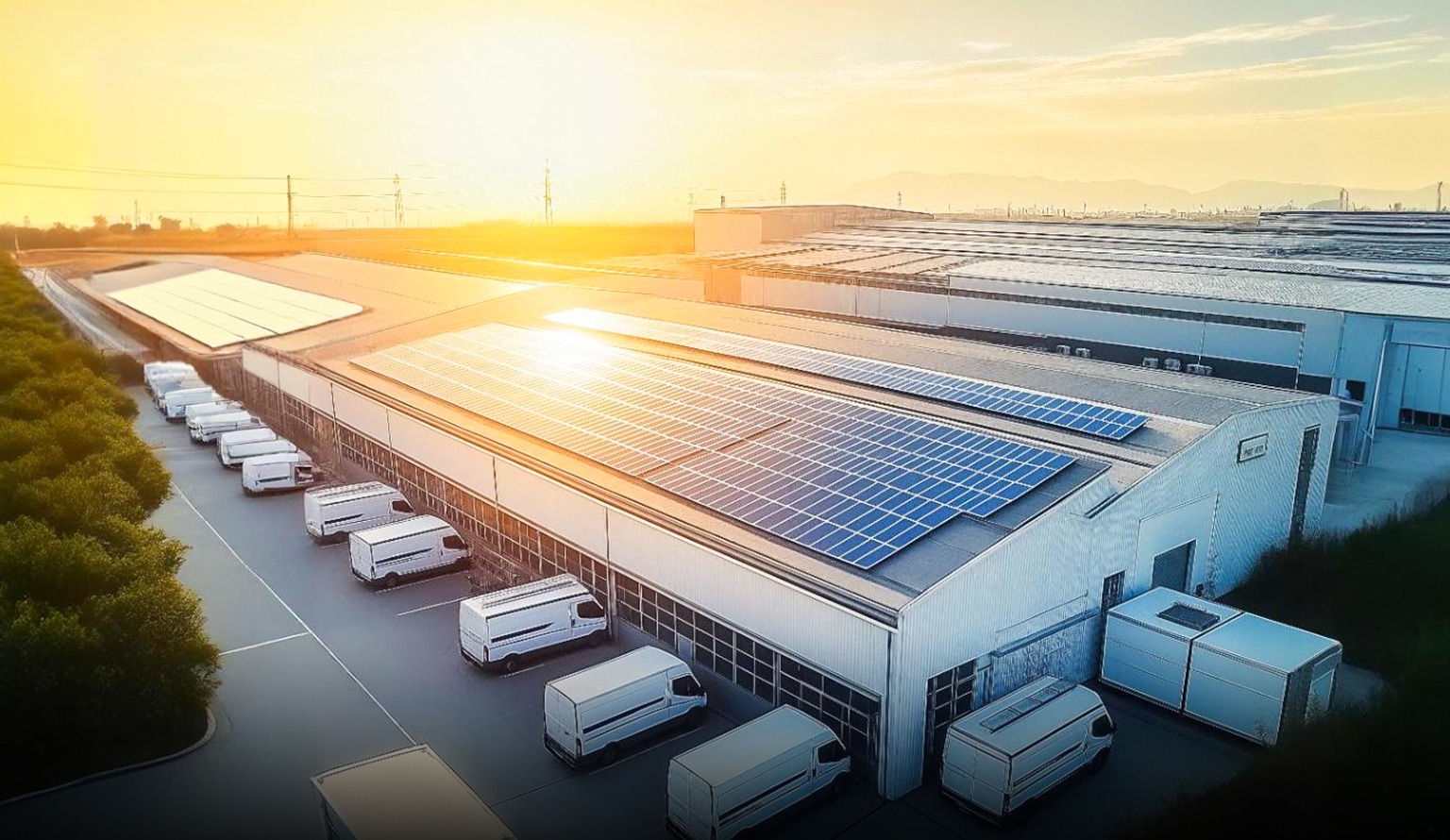
Industrial Solar Panel Installation: Factory Guide 2026
For most factories, electricity is one of the largest recurring operating costs – right after raw materials and labour. It’s exactly why so many manufacturing units in Maharashtra are now seriously evaluating industrial solar panel installation, not as an environmental gesture, but as a straightforward cost-reduction decision.
But industrial solar isn’t the same conversation as a homeowner deciding to put panels on their roof. Factories deal with high, continuous power consumption, complex electrical infrastructure, structural considerations for large rooftop or ground-mounted systems, and financing decisions that involve real capital planning.
This blog walks through exactly what factory owners and plant managers need to know before moving forward – from load assessment to compliance, financing, and long-term maintenance planning.
Quick Answer: What Should Factories Evaluate Before Going Solar?
Before committing to industrial solar panel installation, factories should evaluate:
- Current and projected electricity consumption patterns
- Available rooftop or land area for system installation
- Structural capacity of existing rooftops for panel loads
- Financing model – upfront, loan, lease, or power purchase agreement
- Grid connection requirements and open access eligibility (for larger systems)
- Long-term operation and maintenance planning
Quick Tip: Start with a detailed load audit before evaluating installers or financing options – system sizing decisions made without this data often lead to underutilized or oversized installations.
Why Industrial Solar Makes Financial Sense in 2026
Manufacturing units typically operate during daylight hours, which aligns well with solar generation patterns – making industrial facilities particularly well-suited for solar offset compared to properties with primarily evening or nighttime consumption.
Did You Know? Because factories often have large, uninterrupted rooftop or land areas, industrial installations frequently achieve better per-unit costs than smaller residential or commercial systems, simply due to economies of scale.
Ask yourself: What percentage of your factory’s monthly electricity bill goes toward daytime operations? If it’s substantial, your consumption pattern likely aligns well with a commercial rooftop solar solutions offset strategy.
Step 1: Conduct a Proper Load Assessment
This is the foundation of any successful industrial solar project, and skipping it is one of the most common – and costly – mistakes factories make.
What a proper load assessment includes:
- Detailed review of at least 12 months of electricity bills
- Identification of peak vs average consumption patterns
- Understanding of shift timings and how they align with solar generation hours
- Projected future consumption based on planned expansion or equipment changes
Quick Tip: Sizing your system based on a single month’s bill can lead to significant miscalculation – seasonal production variations, especially in industries with cyclical demand, need to be factored in.
Step 2: Assess Rooftop and Structural Suitability
Industrial rooftops vary significantly in material, age, and load-bearing capacity – all of which affect installation feasibility.
Key considerations:
- Roof material – metal sheet roofs, RCC, or asbestos each require different mounting approaches
- Structural load capacity – older factory roofs may need reinforcement before installation
- Available unobstructed area – accounting for existing equipment like water tanks, HVAC units, or skylights
- Shading analysis – nearby structures, chimneys, or equipment that could reduce panel efficiency
Real-world example:
A textile manufacturing unit with an aging metal sheet roof initially planned a large rooftop installation, but a structural assessment revealed reinforcement was needed in several sections first. Identifying this early, rather than after installation began, allowed the factory to budget accordingly and avoid costly mid-project delays.
Not sure if your factory’s roof can support a solar installation? Request a site assessment from S’unlimited Solar before finalizing your plans.
Step 3: Choose the Right Financing Model
Industrial-scale industrial rooftop solar power plant projects involve significant capital, making financing structure a critical decision.

Quick Tip: For factories with a strong tax position, ownership models (upfront or loan) typically deliver the best long-term value through accelerated depreciation benefits, even though they require higher initial capital commitment.
Step 4: Understand Grid Connection and Compliance Requirements
Industrial solar installations, particularly larger ones, involve more regulatory steps than residential systems.
What factories need to plan for:
- Net or gross metering approval, depending on system size and DISCOM regulations
- Load sanction verification – ensuring your existing electrical connection supports the additional solar capacity
- Electrical Inspectorate clearance for larger systems
- Open access permissions, if sourcing power from an offsite solar plant or exceeding certain capacity thresholds
Did You Know? For very large industrial systems, particularly those using open access to source power from third-party solar plants, additional approvals from the state electricity regulatory commission may be required – this is a separate process from standard rooftop net metering.
Step 5: Plan for Long-Term Operation and Maintenance
A factory’s solar investment only delivers its expected ROI if the system continues performing close to its rated capacity throughout its lifespan.
What to plan for:
- Regular panel cleaning, especially important in dusty industrial environments
- Inverter health monitoring, given the scale and continuous operation of industrial systems
- String or panel-level performance monitoring to quickly identify underperforming sections
- Scheduled inspection and maintenance contracts, rather than reactive repairs
Quick Tip: For industrial-scale systems, even a small percentage drop in output translates into a significant absolute financial loss due to the sheer scale of generation – making proactive maintenance especially important.
Comparison: Residential vs Commercial vs Industrial Solar Considerations

Common Mistakes Factories Make When Going Solar
- Skipping a proper load assessment, leading to undersized or oversized systems.
- Not evaluating roof structural capacity before committing to a system size.
- Choosing financing based on upfront cost alone, without comparing long-term ROI across models.
- Underestimating regulatory timelines, particularly for larger systems requiring additional approvals.
- Treating maintenance as optional, despite the significant financial impact of underperformance at industrial scale.
- Not accounting for future expansion plans, resulting in a system that doesn’t scale with growing consumption.
Checklist: Before Starting Industrial Solar Installation
- Has a detailed 12-month load assessment been completed?
- Has your roof’s structural capacity been professionally evaluated?
- Have you compared financing options (upfront, loan, lease, PPA) against your business’s cash flow and tax position?
- Have you confirmed your sanctioned load supports the planned system size?
- Do you understand which regulatory approvals apply to your system size?
- Is there a clear operation and maintenance plan in place from day one?
ROI Insight: What Factories Can Realistically Expect
Industrial solar installations often achieve payback periods faster than residential systems, largely due to daytime consumption alignment and better per-unit costs at scale. Combined with accelerated depreciation benefits (for ownership models) and reduced dependency on grid tariffs, many factories see meaningful reductions in their overall electricity costs within the first few years of operation.
Quick Tip: Ask your installer for a detailed 25-year cost and savings projection specific to your consumption pattern – generic industry averages often don’t reflect your factory’s actual shift timings and load profile.
When Should You Contact a Solar Expert?
Reach out to an industrial solar consultant if:
- You haven’t yet conducted a formal load assessment for your facility.
- You’re unsure whether your rooftop can structurally support a solar installation.
- You’re comparing financing options and need a clear ROI comparison specific to your business.
- Your factory is planning expansion and needs a scalable solar strategy.
- You want to understand which regulatory approvals apply to your specific system size.
A detailed consultation can help you avoid costly missteps and design a system that genuinely matches your factory’s consumption and growth plans.
FAQs
1. How much can a factory save with industrial solar panel installation? Savings depend on system size, consumption pattern, and financing model, but many factories with strong daytime consumption see meaningful reductions in their overall electricity costs, often significant enough to justify the investment within a few years.
2. What size solar system does a typical factory need? This varies widely based on available roof/land area and consumption, ranging from tens of kW for smaller facilities to several MW for large manufacturing units – a proper load assessment is essential to determine the right size.
3. Does an older factory roof need reinforcement before solar installation? Possibly. Older roofs, especially metal sheet or asbestos roofing, often require a structural assessment to confirm they can safely support the additional load of a solar installation.
4. What financing option is best for industrial solar in Maharashtra? It depends on your factory’s cash position and tax strategy. Ownership models (upfront payment or loans) generally offer the best long-term ROI through depreciation benefits, while leasing and PPA suit factories prioritizing minimal upfront investment.
5. Do industrial solar installations require additional regulatory approvals compared to residential systems? Yes. Larger industrial systems often require load sanction verification, Electrical Inspectorate clearance, and in some cases, open access permissions, in addition to standard net or gross metering approval.
6. How important is maintenance for industrial rooftop solar power plants? Very important. Given the scale of industrial systems, even small percentage drops in performance translate into significant absolute financial losses, making proactive maintenance and monitoring essential.
7. Can a factory expand its solar system later if consumption increases? Yes, but this should be planned for during initial system design – accounting for future roof space and electrical infrastructure needs helps avoid costly redesigns later.
8. How long does industrial solar installation typically take from planning to commissioning? Timelines vary based on system size and regulatory approvals, but industrial projects generally take longer than residential installations due to the additional load assessment, structural evaluation, and compliance steps involved.
Conclusion
Industrial solar panel installation offers genuine, substantial cost-saving potential for factories in Maharashtra – but only when approached with proper planning. Load assessment, structural evaluation, financing strategy, regulatory compliance, and long-term maintenance all play a role in determining whether a factory’s solar investment delivers its full expected value.
For manufacturing units with significant daytime electricity consumption, the financial case for solar is often compelling – but getting the details right from the start makes the difference between a system that performs as promised and one that falls short of expectations.
Ready to Evaluate Industrial Solar for Your Factory?
S’unlimited Solar helps factories across Maharashtra with detailed load assessments, structural evaluations, and financing guidance for industrial-scale solar installations.
Request your free consultation and site survey today →
Get a clear, numbers-based plan for your factory’s solar investment – with zero obligation.

Pournima
A content writer at S'unlimited with expertise in solar energy education, producing guides and insights that simplify complex industry concepts for homeowners and businesses.