
Solar Panel Installation in Pune: Step-by-Step Process for Homes & Businesses
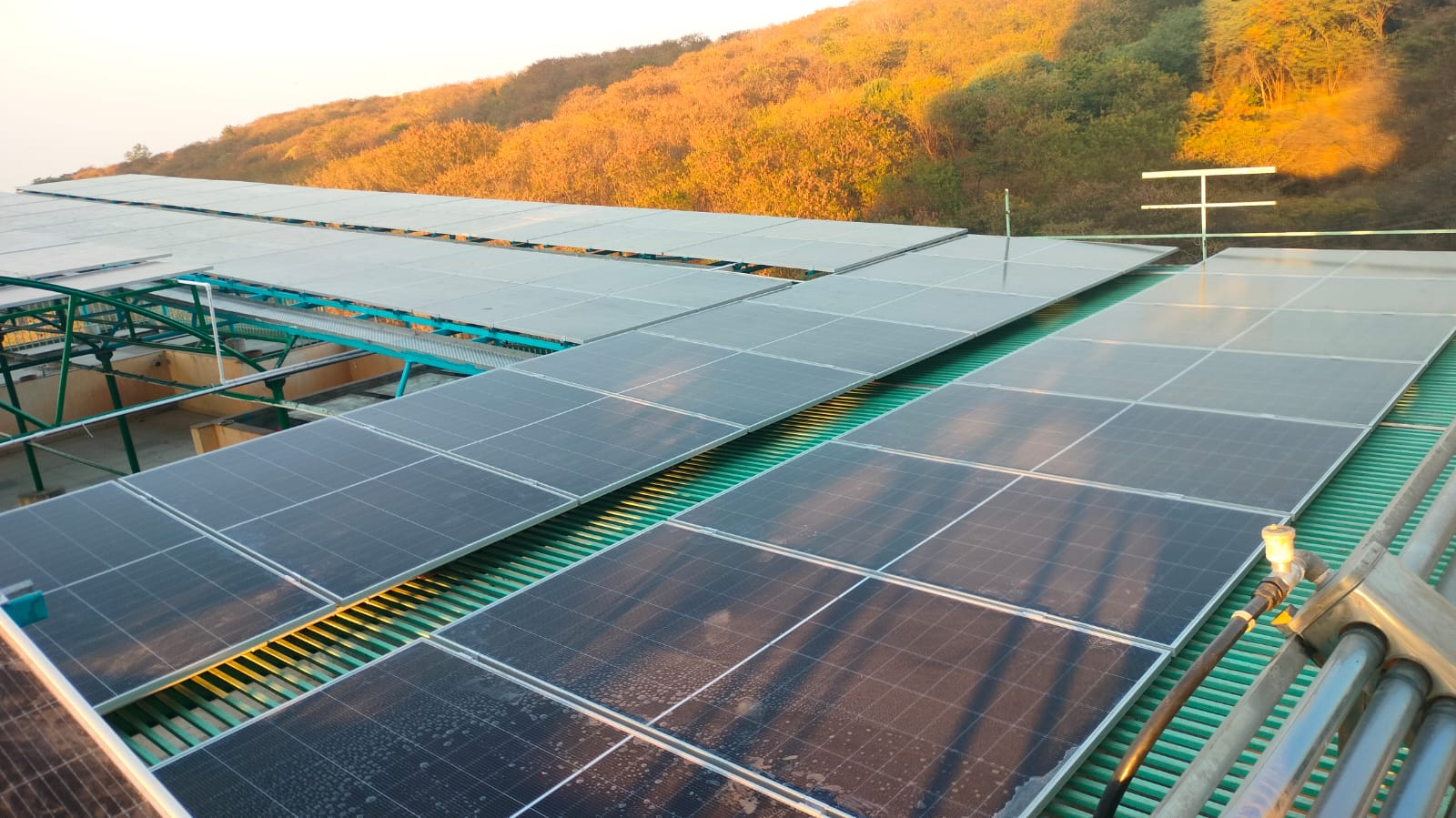
Solar Panel Installation in Pune
As electricity costs continue to rise, more homeowners and businesses in Pune are investing in rooftop solar systems to reduce their dependence on grid power and achieve long-term energy savings. With abundant sunlight throughout the year, Pune is one of Maharashtra’s most favorable cities for solar energy generation.
However, many property owners are unsure about how the installation process works. Questions about system sizing, approvals, installation timelines, and maintenance often delay the decision to switch to solar.
This guide explains the complete solar panel installation in Pune process, helping homeowners and businesses understand what to expect from the initial consultation to final commissioning.
Why More People in Pune Are Choosing Solar
Solar energy is becoming increasingly popular because it offers:
- Reduced electricity bills
- Long-term savings
- Clean and renewable energy
- Lower dependence on utility power
- Better energy management
For both residential and commercial properties, rooftop solar systems have become a practical investment that delivers value for many years.
Step 1: Understanding Your Energy Requirements
The first step in any solar project is evaluating your electricity consumption.
A solar expert will review:
- Monthly electricity bills
- Peak power usage
- Future energy requirements
- Available rooftop area
This assessment helps determine the ideal solar system capacity for your property.
For example:
- Homes may require smaller rooftop systems.
- Offices and commercial buildings may require medium-sized installations.
- Factories and industrial units often need larger solar power plants.
Step 2: Site Survey and Roof Inspection
Before installation begins, a detailed site survey is conducted.
During this stage, technicians assess:
- Roof size and condition
- Sunlight availability
- Shadow analysis
- Structural suitability
- Electrical infrastructure
A proper survey ensures maximum energy generation and system efficiency.
This is one of the most important stages of solar installation in Pune, as it directly affects long-term system performance.
Step 3: Solar System Design
Based on the survey findings, engineers create a customized solar design.
The design includes:
- Panel placement layout
- System capacity
- Inverter selection
- Cable routing
- Safety equipment planning
A professionally designed system ensures optimal energy production while making efficient use of available rooftop space.
Step 4: Proposal and Cost Estimation
Once the design is finalized, customers receive a detailed proposal that typically includes:
- Recommended system size
- Estimated energy generation
- Installation scope
- Project timeline
- Cost breakdown
This stage helps property owners understand the expected investment and potential long-term savings.
Step 5: Documentation and Approvals
Grid-connected solar systems require certain approvals before commissioning.
Depending on the project, this may include:
- Electricity connection verification
- Net metering applications
- Technical documentation
- Utility approvals
- Licensing support
Working with an experienced solar company in Pune helps simplify these procedures and reduce delays.
Step 6: Solar Panel Installation
After approvals and planning are completed, the installation process begins.
The installation typically includes:
- Mounting Structure Installation: Strong mounting structures are installed to securely support the solar panels.
- Solar Panel Installation: Panels are positioned strategically to maximize sunlight exposure.
- Inverter Installation: The inverter converts solar-generated DC electricity into usable AC electricity for your home or business.
- Electrical Connections: Cables, protection devices, and monitoring equipment are installed according to safety standards.
For most residential projects, installation can often be completed within a few days.
Step 7: Inspection and Testing
Before commissioning, the entire system undergoes inspection and testing.
Technicians verify:
- Electrical safety
- System connectivity
- Inverter performance
- Energy generation capability
- Monitoring functionality
This ensures the system operates safely and efficiently from day one.
Step 8: Net Metering and Commissioning
Net metering allows consumers to export excess electricity to the grid and receive credit based on local regulations.
After final approvals:
- The system is activated
- Energy generation begins
- Monitoring systems become operational
At this stage, property owners can start benefiting from solar-generated electricity.
Step 9: Performance Monitoring
Modern solar systems often include monitoring tools that help users track:
- Daily energy generation
- System efficiency
- Performance trends
- Potential maintenance requirements
Regular monitoring helps ensure the system continues performing at optimal levels.
Step 10: Maintenance and Long-Term Care
Solar systems generally require minimal maintenance, but periodic servicing improves performance and reliability.
Typical maintenance activities include:
- Solar panel cleaning
- Electrical inspections
- Inverter checks
- Performance reviews
Routine maintenance helps maximize energy production and system lifespan.
Choosing the Right Solar Partner
The success of a solar project depends heavily on installation quality and technical expertise.
When selecting a solar energy company in Pune, consider:
- Industry experience
- Project portfolio
- Product quality
- Engineering capabilities
- After-sales support
- Monitoring and maintenance services
A professional installation partner can significantly improve system performance and long-term returns.
Why Businesses Are Investing in Solar
Commercial and industrial facilities often consume large amounts of electricity.
Installing rooftop solar systems helps businesses:
- Reduce operational costs
- Improve sustainability goals
- Lower electricity expenses
- Generate long-term savings
This is why demand for solar panel installation in Pune continues to grow across factories, offices, educational institutions, hospitals, and commercial complexes.
Why Choose S’unlimited Solar?
S’unlimited Solar provides end-to-end rooftop solar solutions for residential, commercial, and industrial customers.
Our services include:
- Site surveys and consultation
- System design and engineering
- Solar panel installation
- Documentation and approval support
- Performance monitoring
- Maintenance assistance
We focus on delivering reliable solar solutions designed for long-term efficiency, safety, and savings.
Conclusion
The process of solar panel installation in Pune is straightforward when handled by experienced professionals. From site assessment and system design to approvals, installation, and monitoring, each step plays a critical role in ensuring long-term performance.
Whether you’re a homeowner looking to reduce electricity bills or a business seeking greater energy efficiency, investing in solar energy is a practical and future-ready decision. With proper planning and expert guidance, a rooftop solar system can provide clean, reliable power for years to come.
Ready to switch to solar? Contact S’unlimited Solar today for expert consultation, professional installation, and complete support throughout your solar journey.

Pournima
A content writer at S'unlimited with expertise in solar energy education, producing guides and insights that simplify complex industry concepts for homeowners and businesses.