
Maharashtra Rooftop Solar Yojana Explained: Eligibility, Subsidy and How to Apply
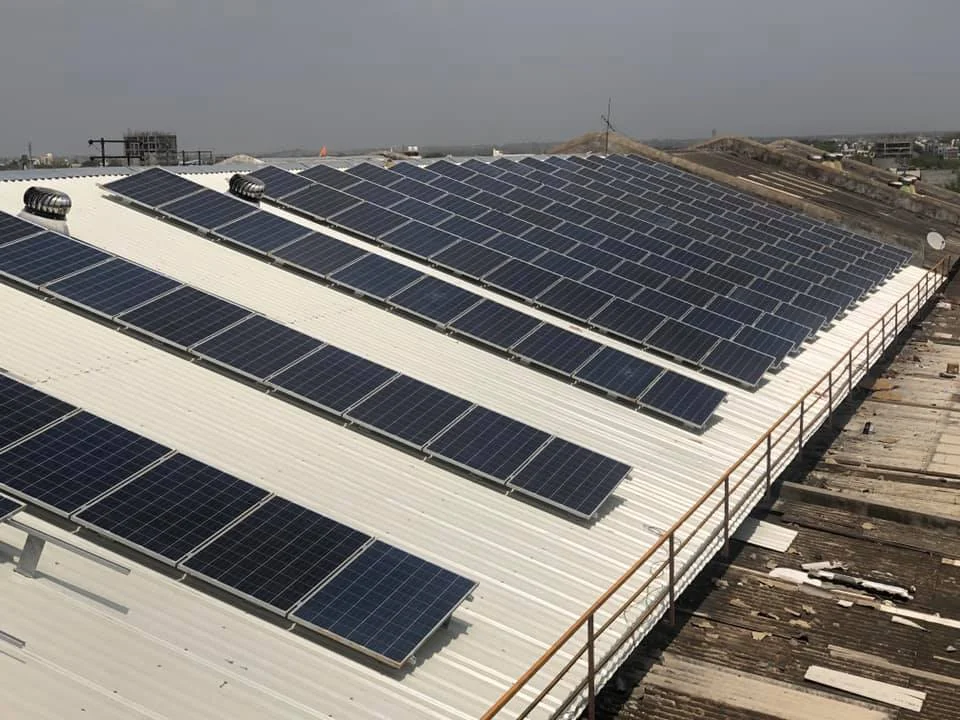
Solar Rooftop Yojana Maharashtra: Full Guide 2026
If you’ve heard about the solar rooftop yojana Maharashtra offers but aren’t quite sure how it actually works, you’re not alone. Between central government schemes, state-level benefits, and installer marketing, it’s easy to end up with a vague sense that “there’s a subsidy” without understanding the real details – who qualifies, how much you actually save, and what the application process looks like.
This guide breaks it down properly. We’ll cover exactly what the rooftop solar yojana includes, who’s eligible, how the subsidy is calculated, and the step-by-step process to apply – so you can move forward with clarity instead of guesswork.
Quick Answer: What Is the Maharashtra Rooftop Solar Yojana?
The solar rooftop yojana Maharashtra operates under India’s national rooftop solar program, which provides central government solar subsidy to eligible residential customers who install rooftop solar systems through empanelled installers. In Maharashtra, this is further supported by state-level facilitation through the nodal agency, aligning with the broader Maharashtra government solar subsidy framework.
In short, it’s a combined central-and-state effort to make rooftop solar more affordable for homeowners, with additional considerations for businesses and industries through separate financial mechanisms like depreciation benefits.
Quick Tip: The scheme primarily targets residential rooftop installations. If you’re a business or industrial property owner, your path to savings looks somewhat different – we’ll cover that further down.
Who Is Eligible for the Rooftop Solar Yojana in Maharashtra?
Eligibility isn’t overly complicated, but a few specific conditions need to be met.
You’re generally eligible if:
- You own or have documented consent to install on the residential property
- Your electricity connection is registered as residential
- Your rooftop has sufficient space and structural capacity for the intended system size
- Installation is carried out by an empanelled installer under proper solar panel licensing
You may face limitations if:
- Your property has a mixed residential-commercial connection without proper category clarification
- Your rooftop has significant shading or structural limitations
- Your system size falls outside the subsidy-eligible capacity range
Did You Know? Even housing societies with shared rooftops can apply under specific provisions of the scheme, though the process involves slightly different documentation compared to individual homeowners.
Ask yourself: Is your electricity connection registered purely as residential, or does it include any commercial usage? This distinction significantly affects your eligibility path.
How the Subsidy Actually Works
This is where most confusion happens, so let’s break it down clearly.
- The central government solar subsidy is calculated as a percentage of a government-determined benchmark cost for a given system size – not necessarily your installer’s exact quoted price.
- Smaller residential systems (typically in the 1-3 kW range) generally see the highest proportional subsidy benefit.
- The benefit tapers as system size increases, with minimal or no direct subsidy for larger systems.
- Subsidy is disbursed after installation, inspection, and net metering approval are completed – not upfront.
| System Size | Typical Subsidy Impact |
| 1-2 kW | Highest proportional benefit |
| 3 kW | Strong benefit, most popular residential slab |
| 4-10 kW | Benefit tapers as size increases |
| Above 10 kW | Minimal to no direct subsidy |
Quick Tip: Since exact subsidy percentages and benchmark costs are revised periodically, always confirm current rates with your installer or through the official portal before finalizing your system size decision.
Step-by-Step: How to Apply Under the Rooftop Solar Yojana
Step 1: Choose an Empanelled Installer
This is the single most important first step. Only systems installed by properly empanelled vendors qualify for subsidy.
Step 2: Get a Site Assessment
A proper installer will assess your roof’s shading, structural capacity, and orientation to recommend the right system size – not just a generic estimate.
Step 3: Register on the National Rooftop Solar Portal
Your installer typically assists with this step, registering your application with the required property and consumption details.
Step 4: Complete Installation
Once approved, physical installation and commissioning are carried out by the empanelled installer.
Step 5: Request Inspection
After installation, a technical inspection verifies compliance with safety and quality standards.
Step 6: Apply for Net Metering
This step connects your system to the grid and allows excess power export credits – a mandatory step before subsidy disbursement.
Step 7: Receive Subsidy Disbursement
Once all previous steps are verified, the subsidy is transferred directly to your registered bank account.
Did You Know? The entire process, from application to subsidy disbursement, typically takes several weeks once installation is complete – assuming documentation is accurate and there are no delays at the DISCOM level.
Central vs Maharashtra-Specific Support: Understanding the Difference
| Aspect | Central Government Solar Subsidy | Maharashtra-Specific Support |
| Governing framework | National rooftop solar program | State nodal agency facilitation |
| Application platform | National portal | Coordinated through state agency where applicable |
| Installer requirement | Empanelled vendor | Same empanelled vendor requirement |
| Purpose | Core subsidy disbursement | Facilitation, awareness, and process support |
Understanding that these two work together, rather than as entirely separate applications, helps set the right expectations about your overall rooftop solar subsidy in Maharashtra.
What About Businesses and Industries?
The government solar scheme for home is primarily structured for residential customers. Businesses and industrial property owners typically access different, though equally valuable, financial benefits:
- Accelerated depreciation on solar assets, reducing taxable income
- Net metering savings, independent of direct subsidy eligibility
- For larger installations, potential access to open access or third-party power purchase arrangements
Quick Tip: If you’re a business owner, don’t assume the absence of direct subsidy means solar isn’t financially attractive – depreciation benefits often deliver comparable, sometimes better, long-term value.
Real-World Example: A Typical Application Journey
A homeowner in Maharashtra with a monthly electricity bill of around ₹3,500 decides to install a 3kW rooftop system. After choosing an empanelled installer and completing a site assessment, their application is registered on the national portal. Installation takes a few days, followed by inspection and net metering approval over the following weeks.
Once all steps are verified, subsidy is disbursed to their bank account, meaningfully reducing their effective installation cost. From that point, their monthly electricity bill drops significantly, with payback typically achieved within 4-6 years depending on final subsidy amount and consumption pattern.
Common Mistakes That Delay or Derail Applications
- Choosing a non-empanelled installer, resulting in subsidy rejection regardless of installation quality.
- Skipping or delaying net metering registration, which holds up the entire disbursement process.
- Documentation mismatches – name, address, or consumer number discrepancies between application and electricity bill.
- Oversizing the system beyond subsidy-eligible capacity without understanding the impact on savings.
- Assuming subsidy is disbursed immediately after installation, rather than after inspection and net metering approval.
- Not confirming current subsidy rates, since benchmark costs and percentages are periodically revised.
Checklist: Before You Apply Under the Rooftop Solar Yojana
- Is your electricity connection registered as purely residential?
- Have you confirmed your chosen installer’s current empanelment status?
- Has a proper site assessment been conducted for shading and structural suitability?
- Do you understand the current subsidy slab for your intended system size?
- Are all your documents (ID, electricity bill, ownership proof) consistent and accurate?
- Has your installer explained the net metering timeline clearly?
When Should You Contact a Solar Expert?
Reach out to a solar consultant if:
- You’re unsure whether your property or connection type qualifies under the scheme.
- You want to understand exactly how much subsidy applies to your specific system size.
- Your application has stalled and you’re not sure why.
- You’re a business owner exploring alternatives to direct subsidy, like depreciation benefits.
- You want your documentation reviewed before submission to avoid avoidable delays.
A short conversation with someone experienced in the process can save you weeks of back-and-forth and help you avoid common application pitfalls.
FAQs
1. What is the solar rooftop yojana in Maharashtra? It refers to the rooftop solar subsidy program under India’s national rooftop solar initiative, supported at the state level in Maharashtra, offering government solar subsidy to eligible residential customers who install through empanelled installers.
2. Who is eligible for rooftop solar subsidy in Maharashtra? Residential property owners with a valid residential electricity connection, suitable rooftop space, and installation through an empanelled installer are generally eligible.
3. How much subsidy can I get under the scheme? Subsidy is calculated as a percentage of a government benchmark cost for your system size, with smaller systems (1-3 kW) typically seeing the highest proportional benefit. Exact rates are revised periodically.
4. Can businesses apply for the Maharashtra rooftop solar yojana? Direct subsidy under this scheme is primarily aimed at residential customers. Businesses generally benefit more through accelerated depreciation and net metering savings.
5. How long does the application process take from start to subsidy disbursement? Once installation is complete, the process including inspection and net metering approval typically takes several weeks, depending on documentation accuracy and DISCOM processing time.
6. What happens if I use a non-empanelled installer? Your subsidy application will be rejected, regardless of installation quality, since only empanelled vendors are authorized to install subsidy-eligible systems.
7. Does subsidy apply to the exact price my installer quotes? Not necessarily. Subsidy is calculated against a government-set benchmark cost, which may differ from your installer’s specific quoted price.
8. Where can I check the current status of my application? You can typically check your application status through the national rooftop solar portal using your registered mobile number and application ID.
Conclusion
The solar rooftop yojana Maharashtra offers provides a genuine, meaningful way to reduce the upfront cost of going solar – but only when you understand eligibility requirements, choose a properly empanelled installer, and follow each procedural step correctly. From site assessment to subsidy disbursement, every stage matters, and skipping or rushing through any of them can delay or even derail your application entirely.
Whether you’re a homeowner exploring your first solar investment or comparing this scheme against self-financed options, understanding the complete picture upfront sets you up for a smoother, more predictable experience.
Ready to Apply for Rooftop Solar Subsidy the Right Way?
S’unlimited Solar guides you through every step – from eligibility assessment to empanelled installation, documentation, and net metering – so your application moves forward without unnecessary delays.
Request your free consultation and site survey today →
Get complete clarity on your eligibility, savings, and application process – with zero obligation.

Pournima
A content writer at S'unlimited with expertise in solar energy education, producing guides and insights that simplify complex industry concepts for homeowners and businesses.